Skip to content

Search

"Message Fields"

66 articles found

Diagram showing the structure of an ISO 8583 message

ISO 8583

What Fields Make Up ISO 8583?

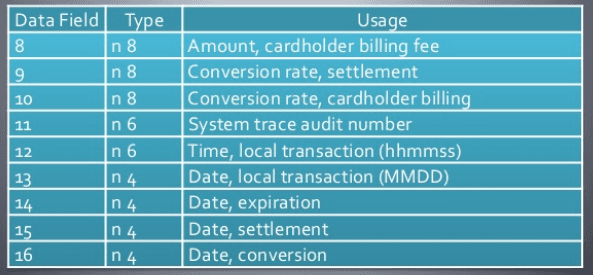
We covered the ISO 8583 basics in an earlier article. This post explains the ISO 8583 message structure in detail: every ISO 8583 message consists of three main parts - the MTI (Message Type Indicator), the Bitmap, and the Data Elements.
ISO 8583 field 64 message authentication code

ISO 8583

ISO 8583 Field Descriptions (F64)

F64 — Message Authentication Code (MAC): verifies the origin and text of the message between the sender and the receiver.

Diagram showing how card transaction data flows through the ISO 8583 messaging standard

Merchant & POS

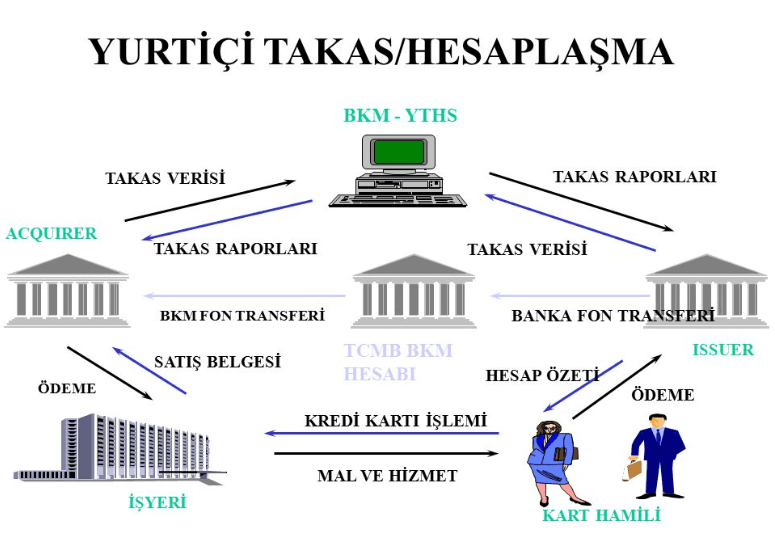
What is ISO 8583?

Introduction: When a card (credit card/debit card/prepaid card) is used at an ATM or POS, data must be carried securely between systems. For example, in a store sale, the POS initiates the transaction, which must reach the cardholder's bank intact.

Diagram illustrating TCR (Transaction Record Component) packets used in payment clearing and settlement files

Payment Systems

What Is TCR (Transaction Record Component)?

TCR stands for Transaction Record Component, the packets that carry transaction information in a clearing system. Transaction types in a clearing file are distinguished by transaction code and usage code values, and this data is sent inside TCR packets.

Illustration representing communication protocols used in POS payment systems

Merchant & POS

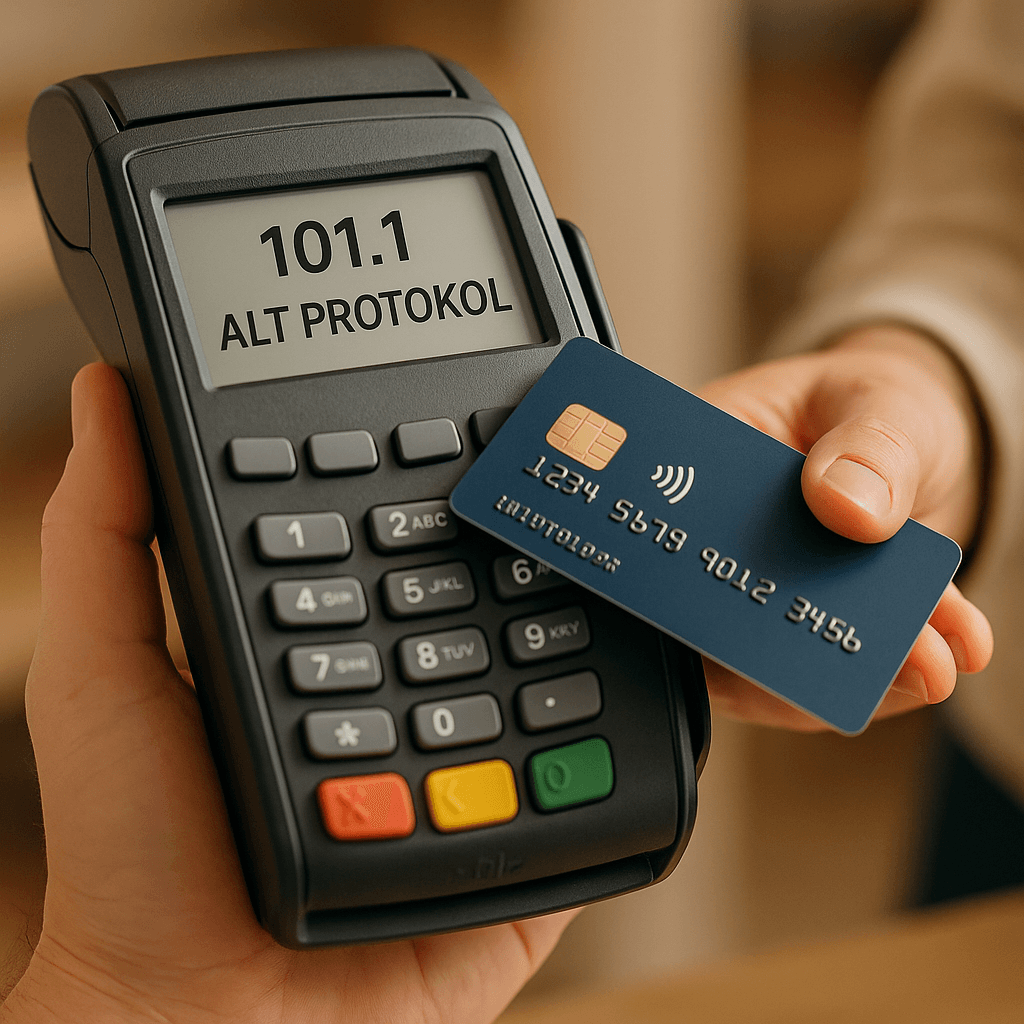
What Are POS Sub-Protocols and Their Use Cases in Turkey?

In payment systems, every exchange between POS devices and bank or payment institution systems runs on a specific messaging standard, generally based on ISO 8583. However, each country, bank, or switch network defines its own version of this standard.

Illustration of ISO 8583 message field layout used for field F47

ISO 8583

ISO 8583 Field Descriptions (F47)

F47-ADDITIONAL DATA (NATIONAL) is the field reserved for domestic additional information. In Turkey, it carries the BKM Unique ID in authorization transactions and data specific to KKPT (card-to-card transfer) transactions.

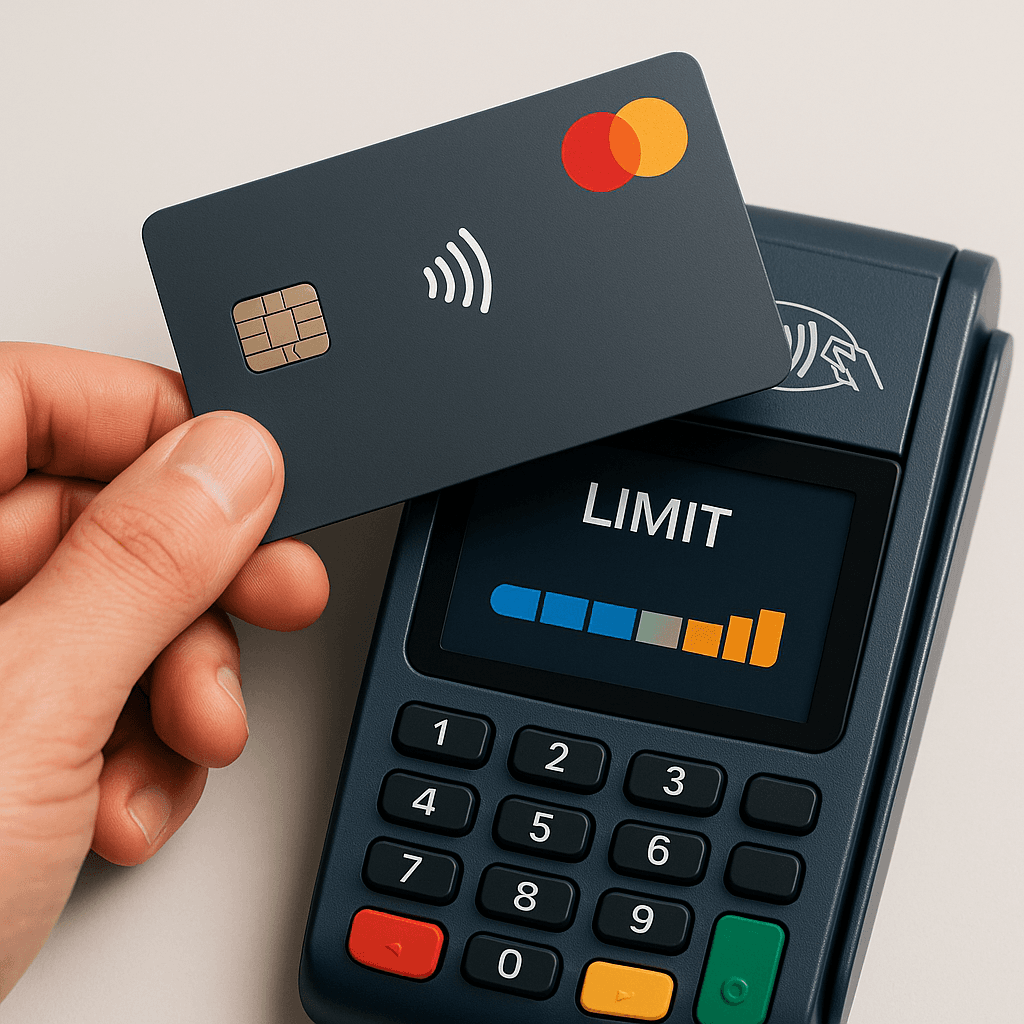
Illustration of dynamic CVM limit management for contactless card payments

Payment Systems

Dynamic CVM Limit Management Approach: A New Era in Card Security

One of the most notable recent developments in card payments is that contactless limits are no longer fixed and can be managed dynamically per customer. Mastercard and Visa are taking different but complementary approaches, and ISO 8583 may need to evolve with them.

Diagram explaining the System Trace Audit Number (STAN) field in a payment transaction

Merchant & POS

What is a System Trace Audit Number (STAN)?

The System Trace Audit Number (STAN) is a number assigned by the third-party system (ATM or POS) to help uniquely identify a transaction. It is generated in the range 000001 to 999999. Each new authorization message needs a new STAN; retries reuse the original STAN.

Diagram of the online authorization flow for below-CVM-limit contactless transactions

Payment Systems

Domestic Flow Change Made for Below-CVM-Limit Online Contactless Transactions

The domestic authorization flow for below-CVM-limit online contactless transactions has changed. Issuers can now ask the cardholder for a PIN or request card insertion instead of simply approving or declining. This post explains the CVM list and the new DE48 PDS22 and DE39 = 65 message flows.

ISO 8583 field 34 primary account number extended

ISO 8583

ISO 8583 Field Descriptions (F34)

F34 — Primary Account Number, Extended: this field is filled when the card number cannot be placed in F2 because it is longer than 19 digits or contains special characters.