
Merchant & POS
What does Not Onus mean?
Not Onus is a payment systems term meaning "Not On Us": a situation where the card-issuing bank and the POS/ATM (acquiring) bank differ. Such transactions are settled through clearing between the two banks.
Search
105 articles found
Merchant & POS
Not Onus is a payment systems term meaning "Not On Us": a situation where the card-issuing bank and the POS/ATM (acquiring) bank differ. Such transactions are settled through clearing between the two banks.
Merchant & POS
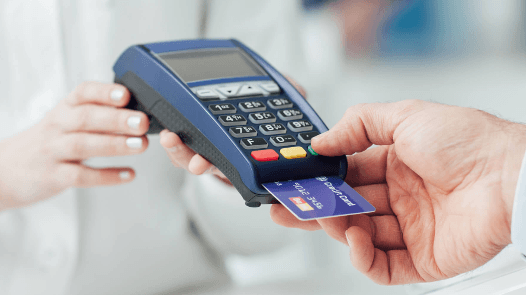
Partial authorization lets an issuer approve part of the requested amount when the card lacks the full balance, with the rest paid another way. This post covers the technical, receipt, clearing, reconciliation, merchant and certification requirements for acquirers.
Payment Systems
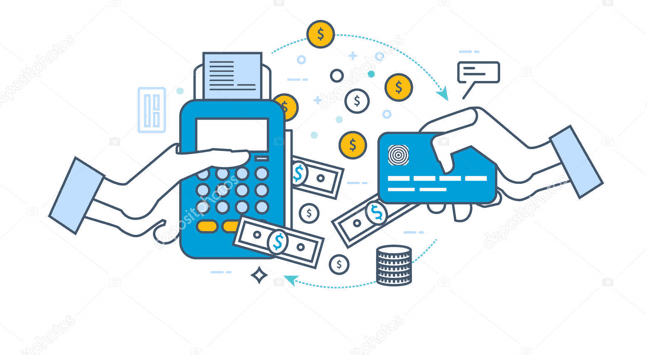
Message 200 is generated for transactions initiated from POS applications, and the acquiring bank responds with message 210. Learn how 100/110 messages route approvals via the issuing bank, and common rejection reasons.

Credit Card
The Chargeback Document Management System (CDYS) is a system developed by BKM to resolve customer disputes over card payment transactions among BKM members, covering Copy Request, Chargeback, Representment, and related processes.

Credit Card
In the standard authorization flow, the transaction is initiated by the acquirer (POS bank) and forwarded to the issuer (card-issuing institution). The process is completed once the issuer responds. However, this isn't always possible; when the issuer fails to respond, BKM steps in...

Payment Systems
The domestic authorization flow for below-CVM-limit online contactless transactions has changed. Issuers can now ask the cardholder for a PIN or request card insertion instead of simply approving or declining. This post explains the CVM list and the new DE48 PDS22 and DE39 = 65 message flows.

Merchant & POS
Today, credit cards play an important role in our daily lives. We can carry out almost all of our transactions without carrying cash, using our credit card instead. During a purchase, we hand our card to the cashier and enter our PIN at the POS terminal.

Merchant & POS
A surcharge is a fee, charge, or tax added to the cost of a good or service. In payment systems, it refers to adding the merchant's transaction commission to the cash sale amount on credit card transactions, resulting in a higher charge.
Merchant & POS
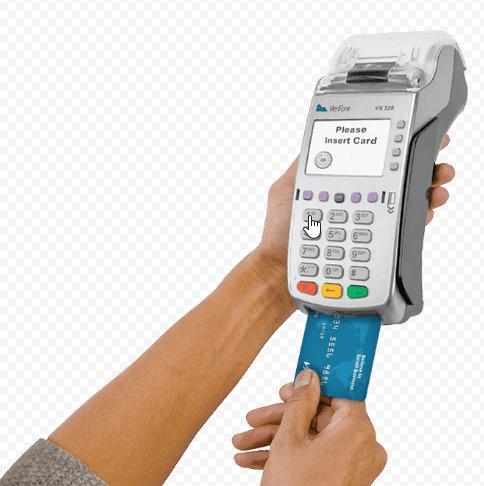
A contactless offline transaction can occur. If the amount is lower than the floor limit defined on the POS and the card also allows offline authorization, the transaction can be completed offline. Offline transactions are periodically sent by the POS to the acquiring bank.
Merchant & POS
BKM has changed the domestic transaction flows for contactless transactions above and below the CVM limit. For above-limit transactions, the issuer can now ask the cardholder to re-enter the PIN instead of terminating the transaction after an incorrect PIN (DE39 = 55).

ISO 8583
F32 - ACQUIRING INSTITUTION IDENTIFICATION CODE: the 11-digit acquirer bank ID. The values it can take for domestic transactions and by card brand include Visa, MasterCard, UnionPay, Discover and JCB formats.
ISO 8583
F41 - CARD ACCEPTOR TERMINAL IDENTIFICATION: the terminal where a transaction took place. An 8-character alphanumeric value generated by the acquirer bank and assigned to the POS, managed as a unique terminal number at the acquirer.