ATM
What is a Shared ATM?
A shared ATM lets a customer of one bank use another bank's ATM for card or credit card transactions. Within customer limits, shared ATMs allow deposits, withdrawals, balance inquiries, and credit card debt inquiry/payment.
Search
32 articles found
ATM
A shared ATM lets a customer of one bank use another bank's ATM for card or credit card transactions. Within customer limits, shared ATMs allow deposits, withdrawals, balance inquiries, and credit card debt inquiry/payment.
ATM
Banks generally prefer to handle their own ATM software and operations. Some banks have third-party firms develop the software while handling operational processes themselves, so each bank ends up doing separate work for both.
ATM
Moving branch transactions to channels such as ATMs, internet banking and mobile banking lowers banking costs, so almost every transaction can now be done through them. Here is what ATMs offer.
ATM
With a protocol signed on 04.04.2018, Türkiye's public banks launched the “Free Shared ATM Use” system, allowing their customers to use each other's ATMs free of charge for many transactions.
ATM
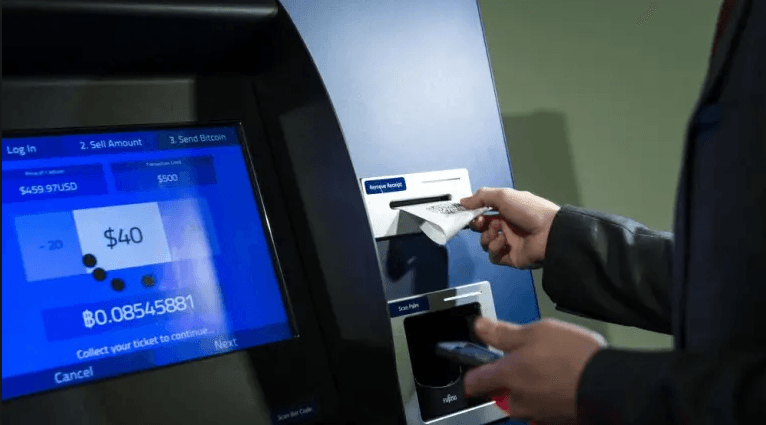
ATMs, which let us meet our cash needs, pay card debt, make transfers, and even withdraw or deposit cash via QR code without a card, have started losing popularity after all these years.

Payment System Institutions
BKM (Interbank Card Center) works through several committees: Security, Operations and Technology, Market Development, Business Development, Chargeback Rules and Arbitration, ATM Sharing, plus arbitration committees. This post outlines each one's duties.
Merchant & POS
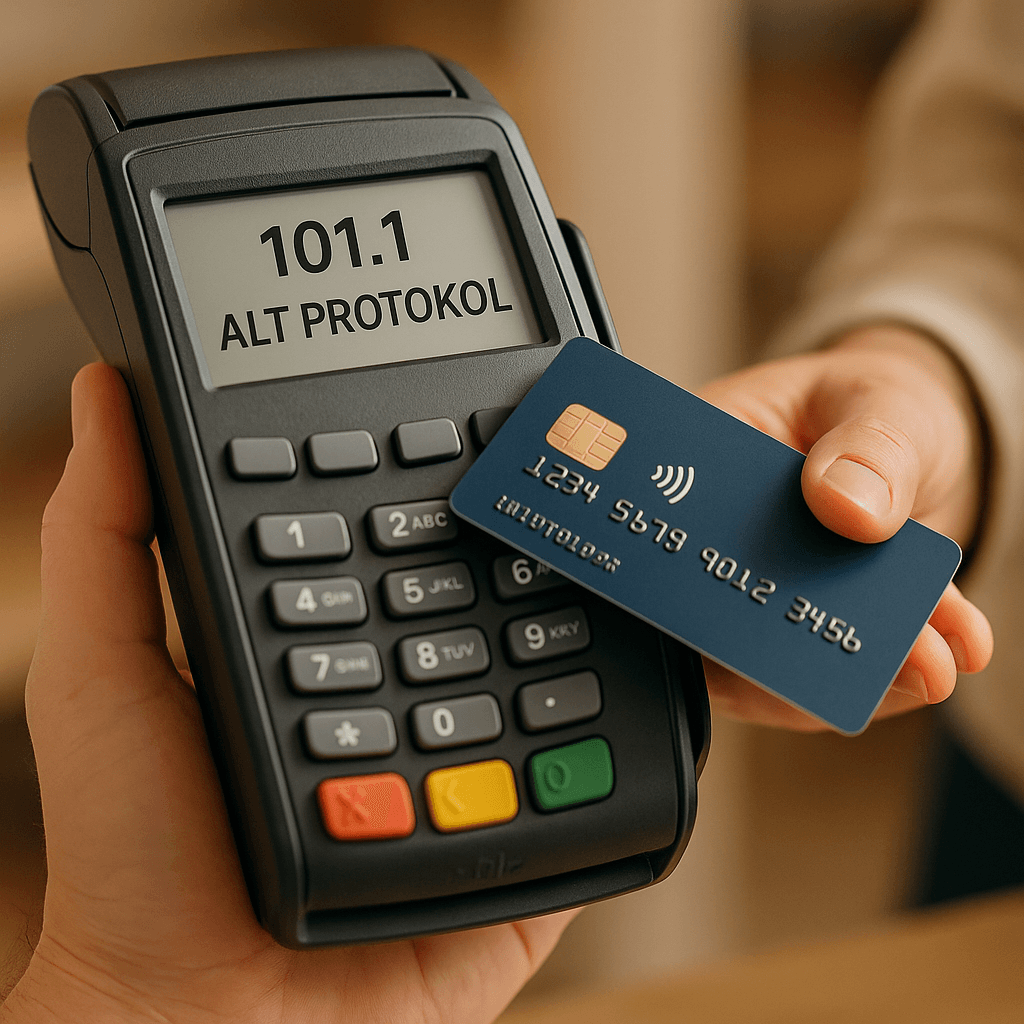
In payment systems, every exchange between POS devices and bank or payment institution systems runs on a specific messaging standard, generally based on ISO 8583. However, each country, bank, or switch network defines its own version of this standard.
Clearing
DE03/Reimbursement Attribute carries the Reimbursement Value of a transaction. BKM uses this information as the basis for calculating interchange fees and charges between member banks.
Payment Systems
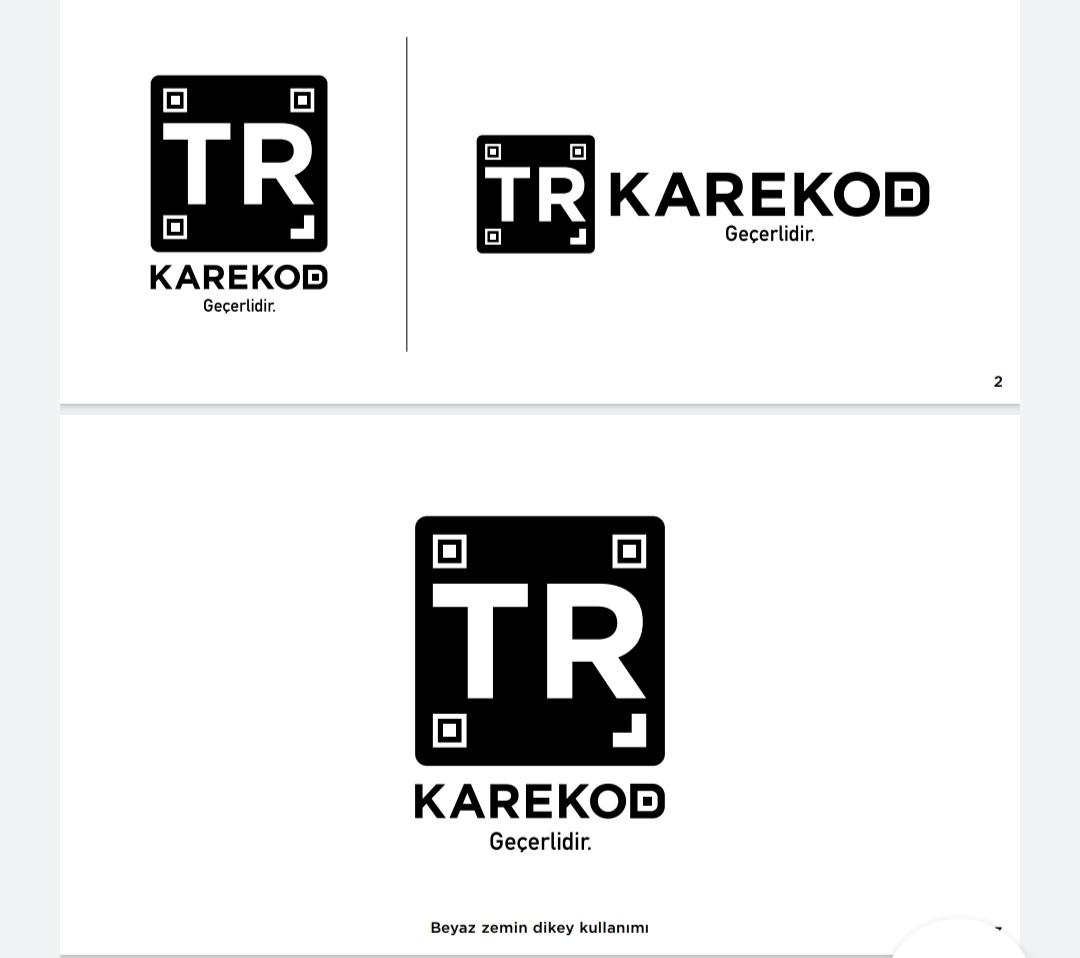
According to BKM's TR QR Code Technical Principles and Rules Guide for card payments, QR code payment structures apply to EFTPOS, shared EFTPOS, ÖKC, ATMs, payment provider apps, static QR codes and virtual POS.
HSM & Security
TMK stands for Terminal Master Key, a key-encrypting key distributed manually or automatically under a previously established TMK. It is used to distribute data encryption keys to an ATM or POS terminal within a local network.
ATM
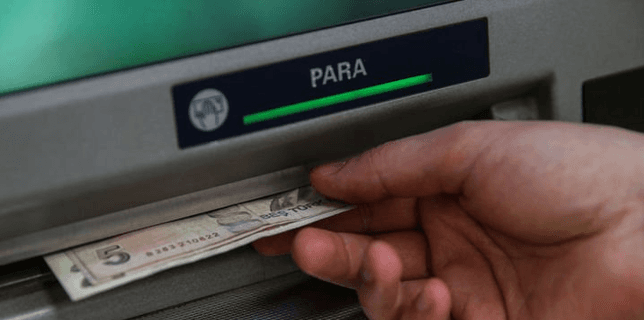
Everyone has probably felt the fear of money getting stuck in an ATM while making a deposit. What causes this to happen? It is not a very common occurrence, but it can happen if you do not pay attention to a few important points.
ATM
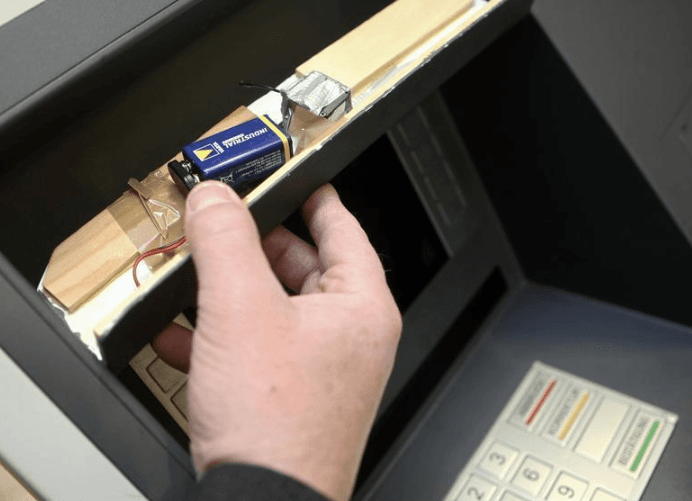
Cash trapping is a type of ATM fraud in which criminals install a device on the ATM or interfere with its operation to trap dispensed cash, making it difficult to detect until the fraudster returns to retrieve the trapped money.