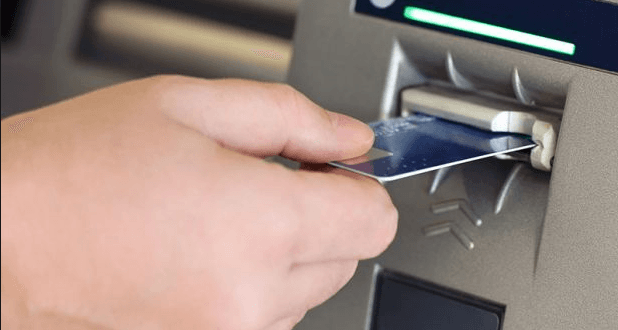
ATM
What is a Shared ATM?
A shared ATM lets a customer of one bank use another bank's ATM for card or credit card transactions. Within customer limits, shared ATMs allow deposits, withdrawals, balance inquiries, and credit card debt inquiry/payment.
Search
201 articles found
ATM
A shared ATM lets a customer of one bank use another bank's ATM for card or credit card transactions. Within customer limits, shared ATMs allow deposits, withdrawals, balance inquiries, and credit card debt inquiry/payment.
ATM
The word literally means recycled or circulating. In payment systems, it refers to physically dispensing money deposited at ATMs to customers who want to withdraw cash, adding deposits straight into the withdrawal pool.
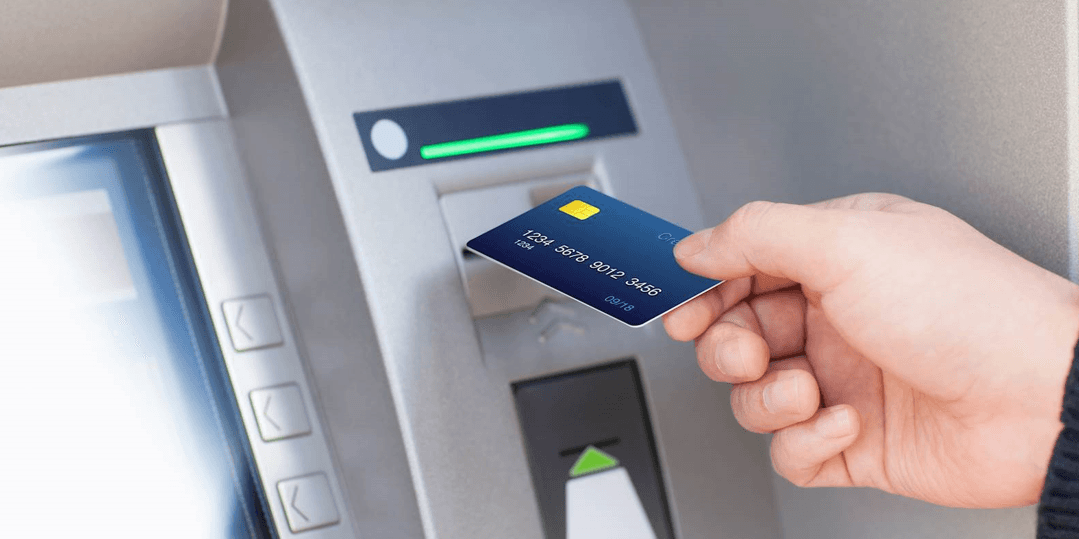
ATM
Banks generally prefer to handle their own ATM software and operations. Some banks have third-party firms develop the software while handling operational processes themselves, so each bank ends up doing separate work for both.
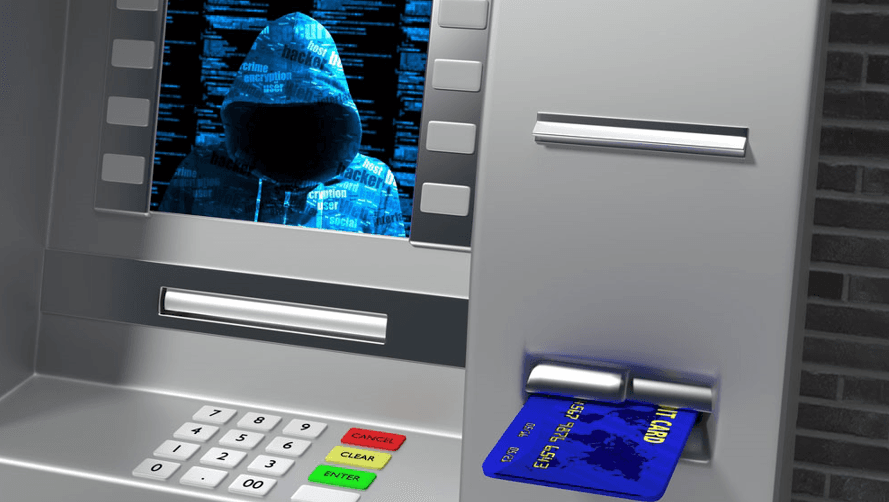
ATM
Because the ATM is the channel where customers physically handle cash, fraud cases happen there very often. Here are the precautions you can take to use ATMs safely.
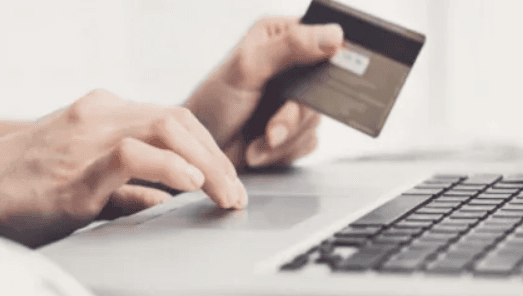
Debit Card
When we think of online shopping, we usually picture paying with a credit card. But can customers without a credit card, only an ATM card, shop online? Of course they can — you don't need a credit card to enjoy the convenience of e-commerce.
ATM
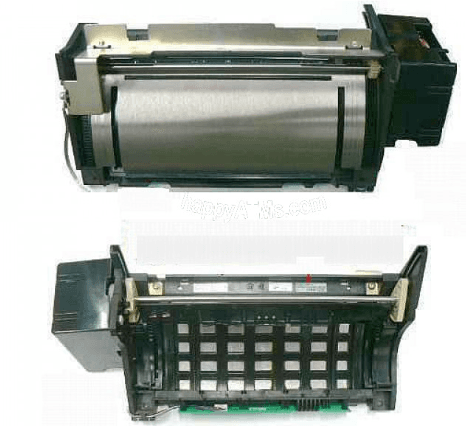
The shutter can be described as the gate mechanism that prevents financial loss during ATM cash deposit and withdrawal transactions by controlling customer access to cash and preventing tampering with the ATM system.
ATM
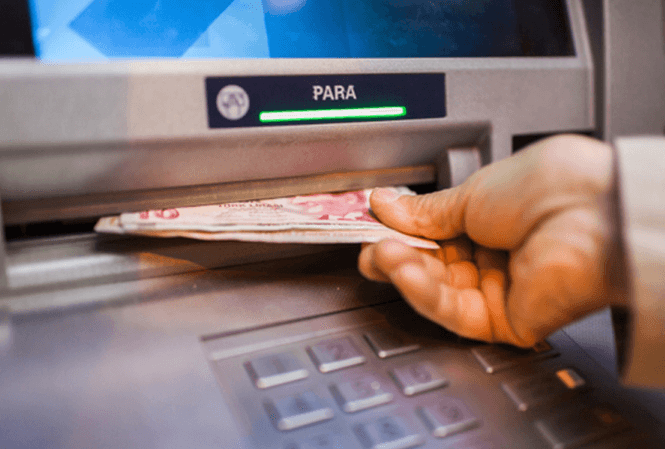
ATMs are important transaction points that let customers handle financial transactions without visiting a bank branch. 24/7 availability matters for customer satisfaction, so banks take steps to reduce both operational and cash costs.
ATM
ATMs generally hold your bank/credit card inside the card reader slot until the transaction is completed. Fraudsters insert foreign objects such as paper or adhesive-coated cards into the reader to trap the customer's card inside.
ATM
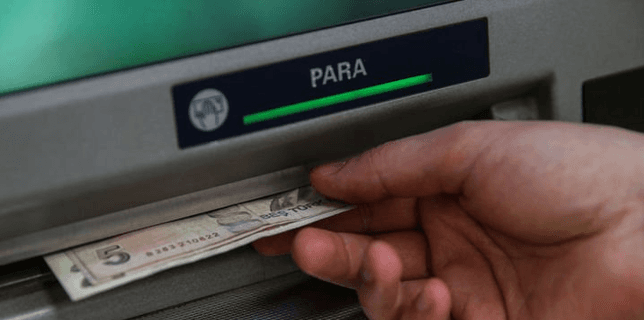
Everyone has probably felt the fear of money getting stuck in an ATM while making a deposit. What causes this to happen? It is not a very common occurrence, but it can happen if you do not pay attention to a few important points.
ATM
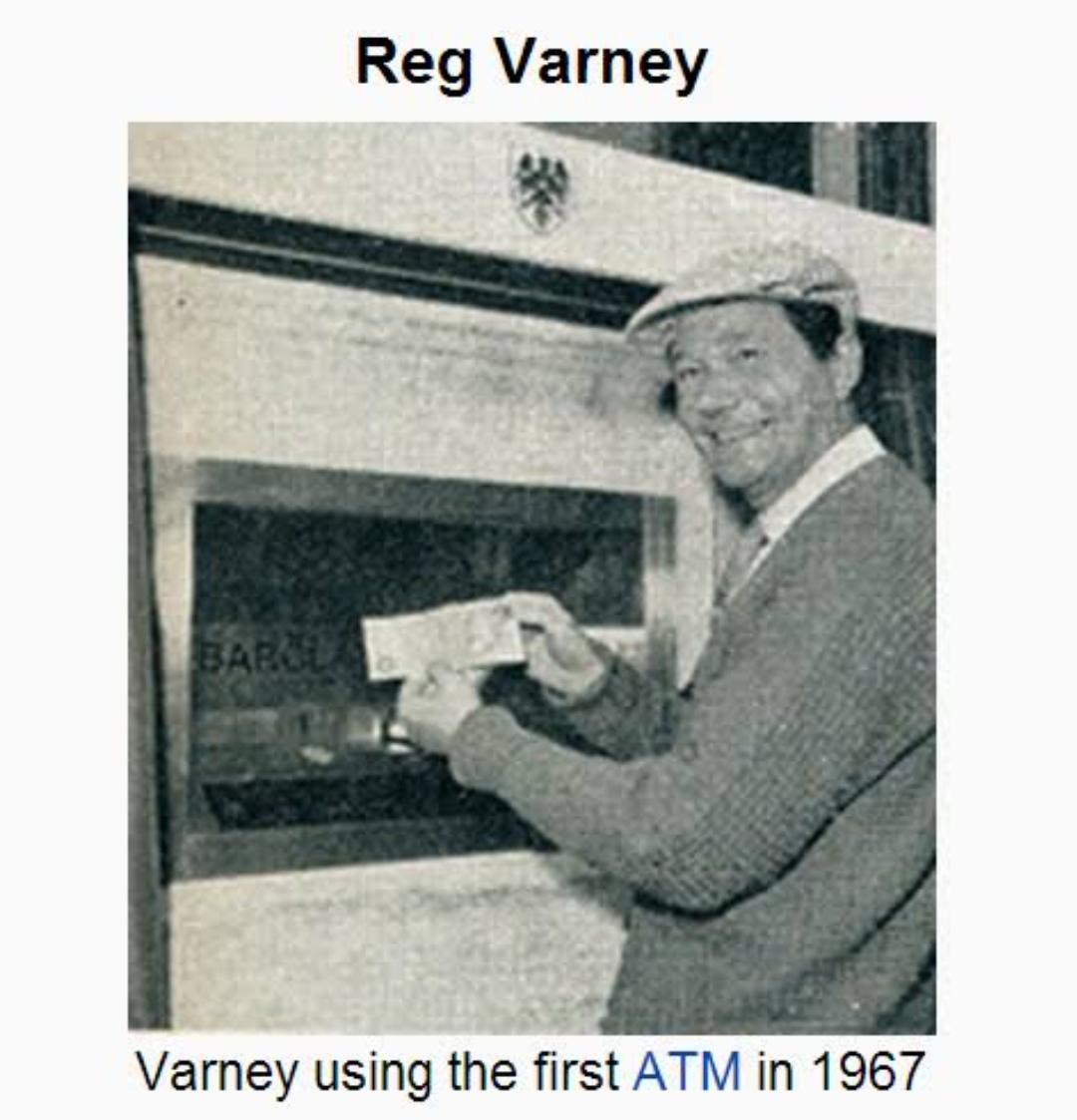
The first device that can truly be called an ATM was produced by De La Rue for Barclays Bank and put into service in Enfield, London, on 27 June 1967. The ATM came to Türkiye in 1982.
ATM
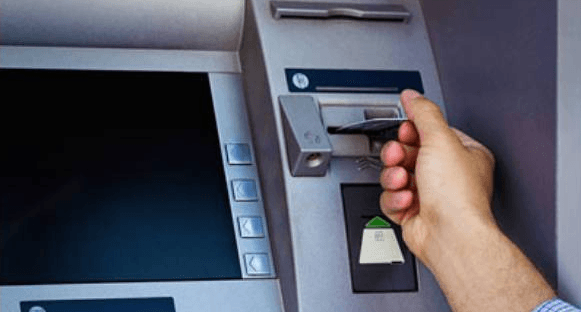
At payment points such as ATMs and POS terminals, the most critical step is PIN verification or verifying the customer through their identity information. However, since ATMs cannot verify a customer's identity, PIN verification becomes more important. So how is it performed?
ATM
With a protocol signed on 04.04.2018, Türkiye's public banks launched the “Free Shared ATM Use” system, allowing their customers to use each other's ATMs free of charge for many transactions.