Skip to content

Search

"card blocking"

75 articles found

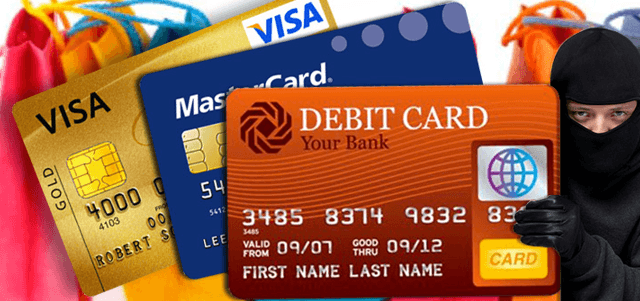
Illustration representing credit card fraud and online payment security risks

Fraud

What is Fraud? What are the Types of Fraud?

With the growth of credit and debit card usage and rising e-commerce transaction volumes, there has been a serious increase in exploiting user negligence to harm customers. Fraud means using someone else's card at a merchant or ATM to gain unjust profit.
Illustration of a point-of-sale terminal checking a card against a warning list

Merchant & POS

What is the Combined Warning List (BUL)?

The Combined Warning List (BUL) lists card numbers the issuer wants blocked (lost, stolen, counterfeit, etc.), which acquiring merchants check within certain limits, at their own risk, when online authorization cannot be obtained.

Issuer Script Results field values shown on a POS terminal screen

Credit Card

Issuer Script Results

Issuer Script Results is the field that shows the results of the Issuer Script commands sent to the card. This post explains its byte and bit values, what an issuer script is, why the results matter, and what happens when a command fails.

Business debit card used by corporate customers for ATM transactions

Credit Card

Can Business Customers Be Issued an ATM Card?

Business customers can be issued an ATM card, known as a Business Debit Card. The cardholder must be the person authorized to act legally on behalf of the company, since the card operates on company accounts.

Close-up of a bank card's chip failing to be read by a POS terminal

Credit Card

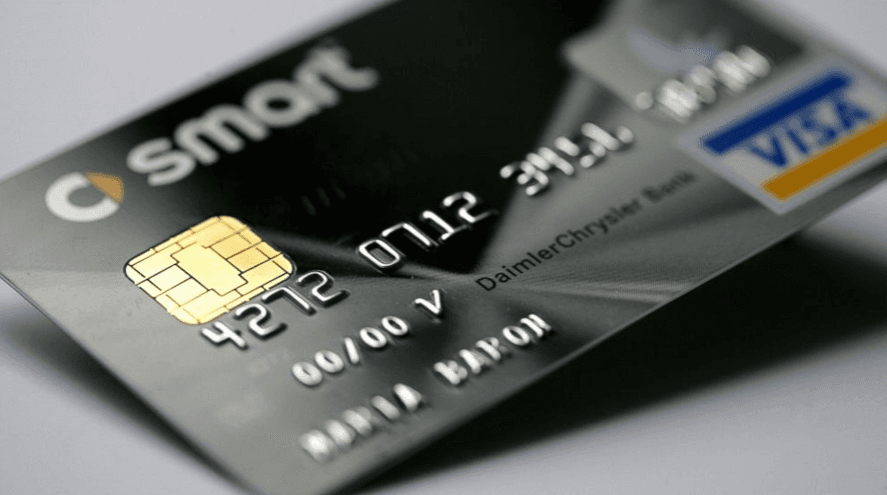
What should I do if my card's chip isn't reading?

If your card's chip won't read, the chip data is likely corrupted or the POS's chip reader is faulty. This is usually caused by magnetic interaction with another card's chip.

Illustration representing electronic payment systems

Payment Systems

What are Payment Systems?

Let's talk about payment systems, which we have heard more about since the internet entered our lives, and the basic structures behind them. The first credit card in the world was used in America in the 1920s.

EMV Lower Consecutive Offline Limit 9F14 illustration

EMV

What Is the Lower Consecutive Offline Limit?

The Lower Consecutive Offline Limit is the maximum number of consecutive offline transactions allowed by the ICC application, as set by the issuer, on a terminal capable of going online. It is sent in tag 9F14.

Screenshot illustrating a prepaid card and its features

Credit Card

What is a prepaid card?

A prepaid card is a customized card, with or without a chip, not linked to a bank account and without a credit limit like credit cards, letting you spend only the amount loaded onto it.

Prepaid debit card not linked to a bank account

Debit Card

What Is a Prepaid Debit Card?

A prepaid card is a customized card that is not linked to a bank account and has no credit limit like a credit card - you can spend only up to the amount loaded onto it. Prepaid cards function just like a bank card or credit card.

Credit card being presented at a POS terminal for a pre-authorization transaction

Merchant & POS

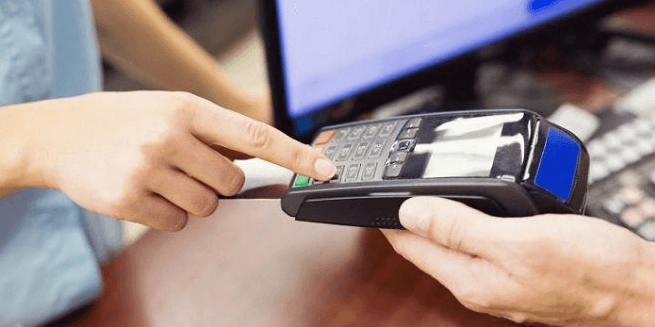
Is a Card Required for a Pre-Authorization Transaction?

Whether a card is required for a pre-authorization transaction depends on the type of POS used. On a physical POS, the card must be swiped or inserted to start the transaction. On a virtual POS, entering the card details manually is enough.