ATM
What Is Retract?
Retract is a term used in ATM systems. When cash already presented to the customer is not taken, it is diverted into a compartment called retract, as opposed to the reject compartment used for unusable banknotes.
Search
200 articles found
ATM
Retract is a term used in ATM systems. When cash already presented to the customer is not taken, it is diverted into a compartment called retract, as opposed to the reject compartment used for unusable banknotes.
ATM
Although we can now carry out almost all branch transactions at an ATM, for most of us an ATM is still just a machine for depositing and withdrawing cash. Today, without a card, we can use our phones to deposit and withdraw cash via QR code.
ATM
A twin tower ATM, also called a dual tower ATM, has both a recycler unit for depositing and withdrawing cash and a dispenser unit for withdrawals only, cutting cash replenishment needs at busy locations.
ATM
The word literally means recycled or circulating. In payment systems, it refers to physically dispensing money deposited at ATMs to customers who want to withdraw cash, adding deposits straight into the withdrawal pool.
ATM
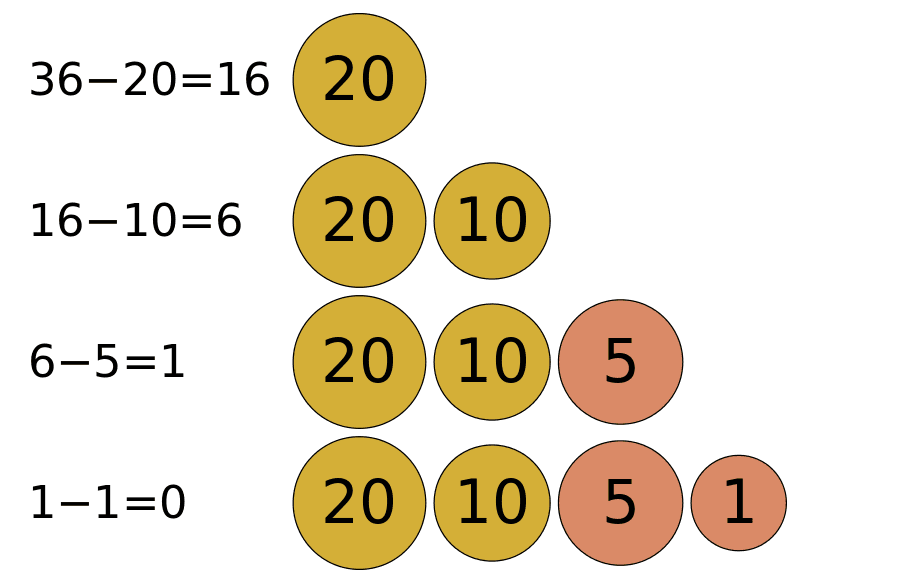
In payment systems, the Greedy Algorithm is used to give the customer the minimum number of banknotes when withdrawing cash from an ATM. The algorithm used varies from bank to bank, since ATM cash capacity and transaction volume differ. For example...
Merchant & POS
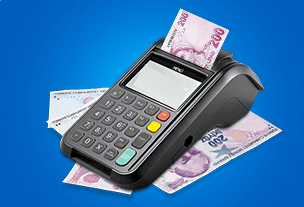
A Z Report is a report taken at the end of the business day, bearing a sequential number, that gives detailed information about sales made using a cash register during a business day, the revenue earned, and the VAT collected.
Payment Systems
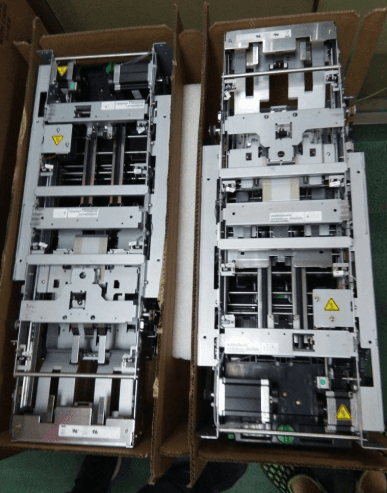
In payment systems, the tower is the section inside an ATM where cash is physically stored. It contains cassettes holding different banknote denominations, a mix cassette for mismatched notes, and various security mechanisms protecting the cash.
ATM
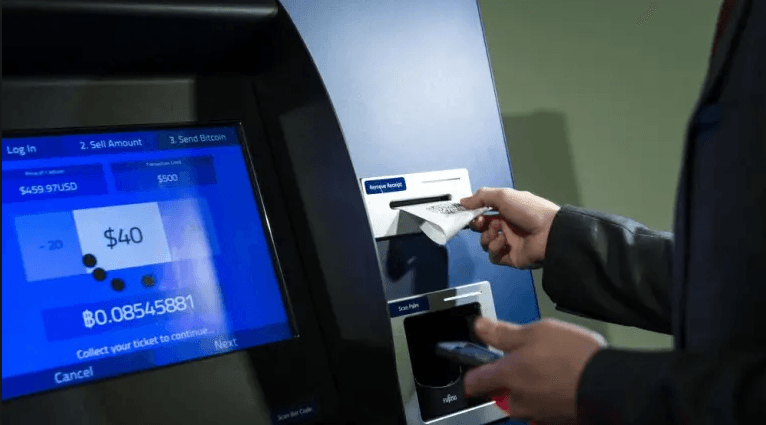
ATMs, which let us meet our cash needs, pay card debt, make transfers, and even withdraw or deposit cash via QR code without a card, have started losing popularity after all these years.
Laws & Regulations
The articles of the Regulation on the Accessibility of Banking Services are listed below. Published in the Official Gazette on 18 June 2016 (issue 29746), banks must strictly comply with them. PART ONE Purpose...
EMV
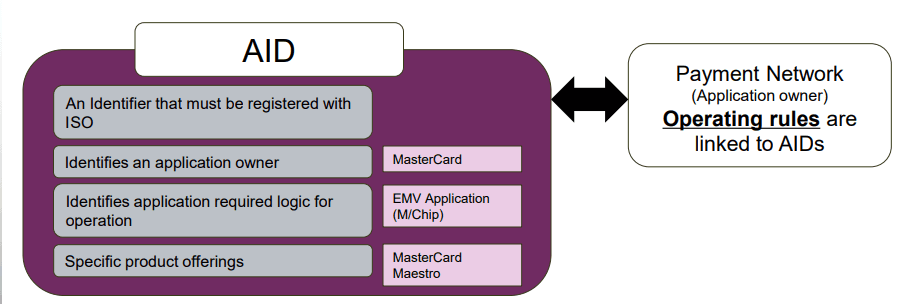
The AID tells the terminal which applications are present on a chip during a POS or ATM transaction. What does the AID do? It lets the terminal determine whether it supports an application on the chip. In Tag 9F06, it is 5-16 digits long.
ATM
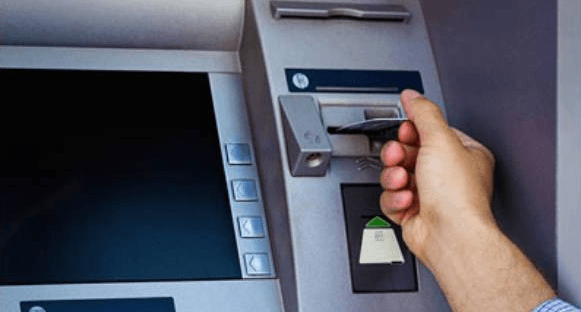
ATMs hold significant amounts of cash, are among banks' most important customer service points and are prone to faults, so they must be monitored from installation onward and acted on quickly.
ATM
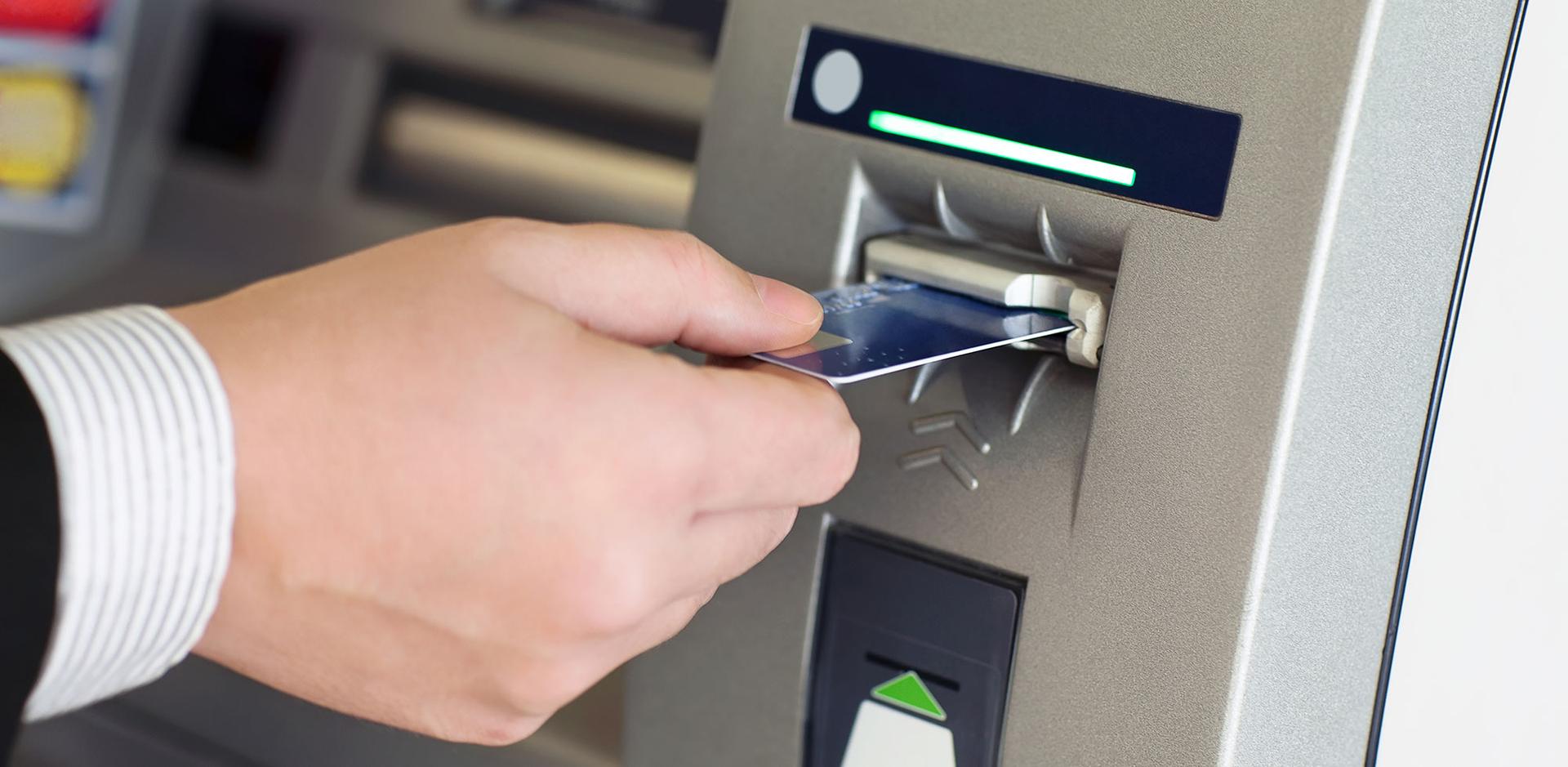
ATM stands for Automated Teller Machine, an electronic device that lets customers carry out account transactions with or without a card. It was invented in 1960 by John Shepherd-Barron. The first ATM in Turkey was installed in 1982.