Online & Authorization
What Is ISO/IEC 7816-5?
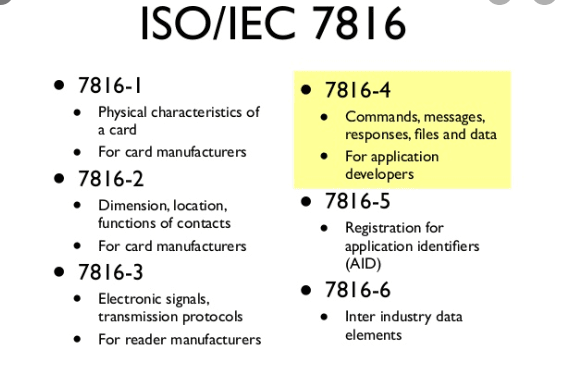
ISO/IEC 7816-5 defines how to use an application identifier to determine whether an application is present on a card and/or to retrieve the application on the card.
Search
217 articles found
Online & Authorization
ISO/IEC 7816-5 defines how to use an application identifier to determine whether an application is present on a card and/or to retrieve the application on the card.
Credit Card
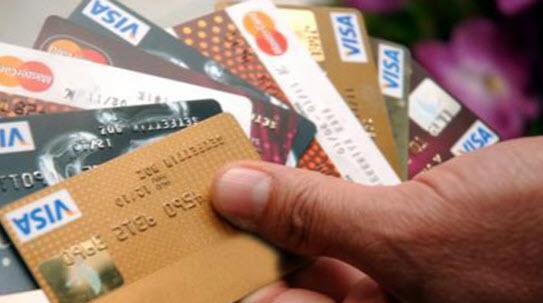
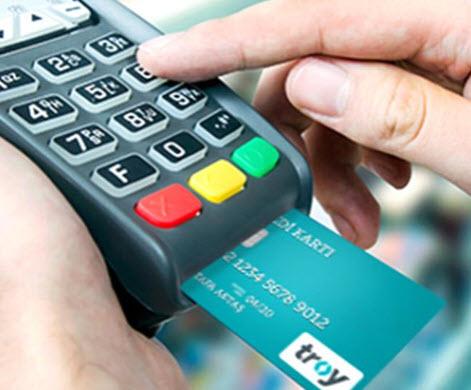
As credit cards become more and more a part of our lives, we now make almost all our purchases without cash. We inserted our card into the merchant's POS. We made a 100 TRY sale transaction. We received a receipt confirming it was successful.
Merchant & POS
In the world of payment systems, both the issuer (the cardholder's bank) and the acquirer (the POS/ATM bank) must follow certain rules for card transactions made through a POS terminal or an ATM. Responding to transactions within a certain time is one of these rules.
Merchant & POS
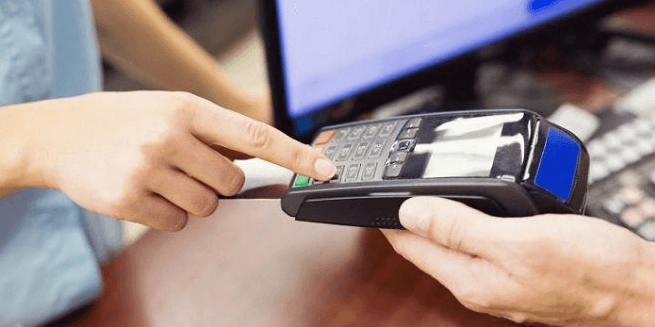
Multicurrency POS refers to POS devices that can process transactions in foreign currencies (USD, EUR, GBP, etc.) in addition to Turkish Lira. Merchants using a MultiCurrency POS can process transactions in different currencies for international cardholders.

Merchant & POS
Today, as credit cards shift from physical to virtual use, a similar move has come from the POS side. We have begun to see mobile phones used as POS devices becoming a serious rival to physical POS terminals.
Credit Card
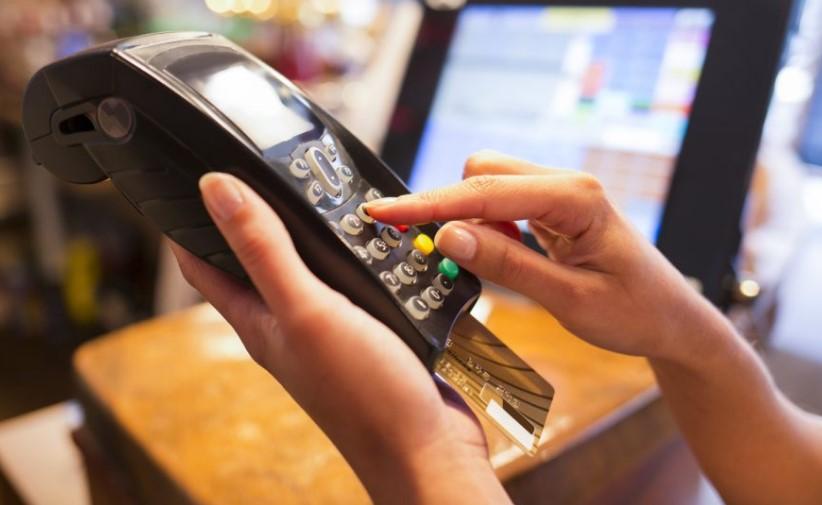
Issuer Script Results is the field that shows the results of the Issuer Script commands sent to the card. This post explains its byte and bit values, what an issuer script is, why the results matter, and what happens when a command fails.
EMV
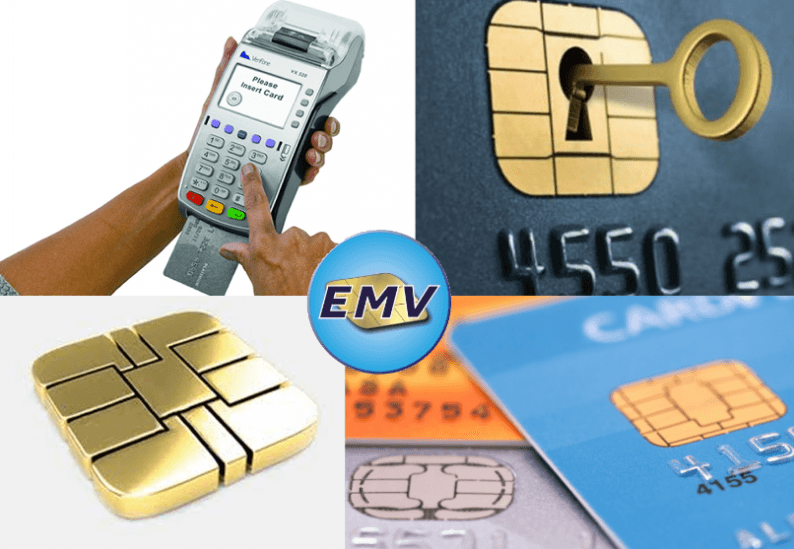
The Card Block command is used after card issuance to deactivate all applications within the ICC, including applications that could be selected indirectly. The components of the command are explained below.

HCE
The token used in HCE transactions contains more than just a new number derived from the card number. It also includes single-use keys, an expiration date, RSA keys and certificates, transaction limits, and an Application Transaction Counter (ATC).
Credit Card
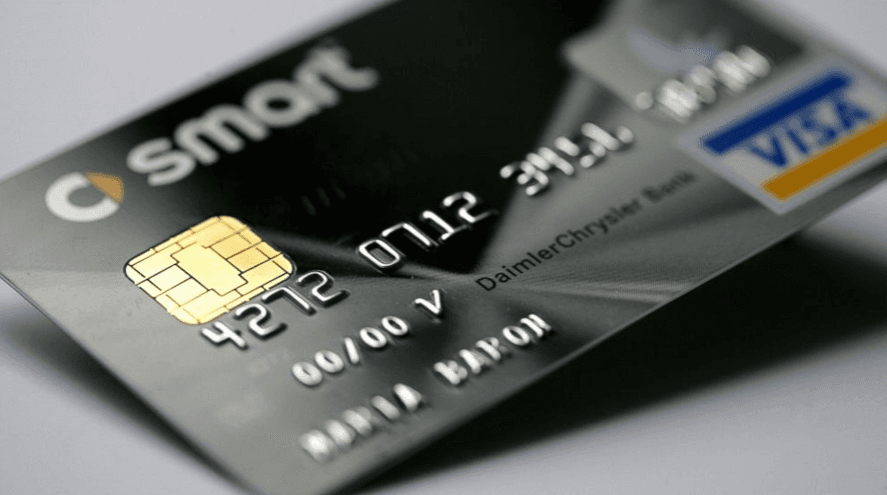
If your card's chip won't read, the chip data is likely corrupted or the POS's chip reader is faulty. This is usually caused by magnetic interaction with another card's chip.

ISO 8583
F41 - CARD ACCEPTOR TERMINAL IDENTIFICATION: the terminal where a transaction took place. An 8-character alphanumeric value generated by the acquirer bank and assigned to the POS, managed as a unique terminal number at the acquirer.
Credit Card
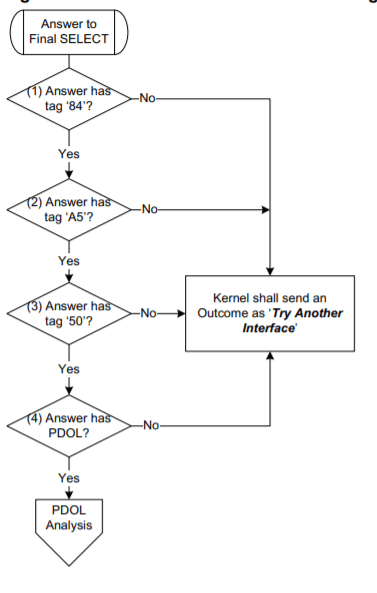
A mandatory alphanumeric field, 1-16 characters, sent in tag 50 of EMV transactions, representing a name related to the card application's AID in the ADF.

Credit Card
Although debit cards and credit cards look similar in appearance, there are fundamental differences between them, from cash advances to installments and security.