Skip to content

Search

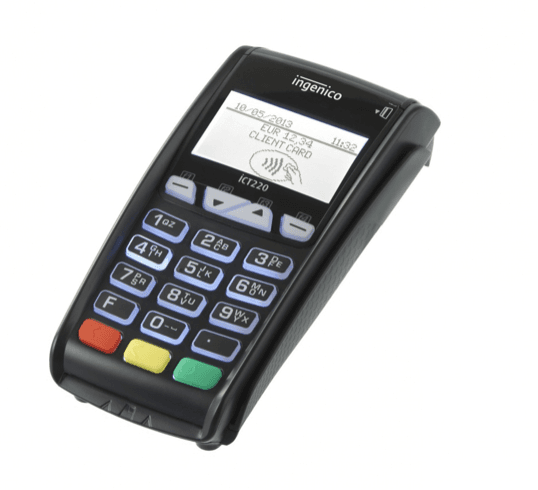
"POS systems"

167 articles found

Diagram of the Shared POS Management System (OPYS)

Merchant & POS

What Is the Shared POS Management System (OPYS)?

Developed by BKM and made available to banks, OPYS centrally supports setting up multi-application POS terminals shared by multiple members, inviting other members, adding or removing them, and managing field company relationships.
Diagram illustrating clearing types between card-issuing and POS banks

Clearing

What are the Clearing Types?

In card transactions via POS/ATM, when the card-issuing bank differs from the POS/ATM bank (Not Onus), the transaction is subject to clearing. Below, POS can also mean ATM. Is the clearing system a single type? No...

BKM Central POS Database (MPV) illustration

Merchant & POS

What Is MPV (Central POS Database)?

MPV stands for Merkezi POS Veritabanı (Central POS Database), BKM's shared database of all POS terminals operated by its card-accepting members, used for support, statistics, fraud analysis and the Common POS Management System.

Illustration of a new-generation smart cash register combining a fiscal device and a POS terminal

Merchant & POS

What You Need to Know About Smart Cash Registers (OKC)

A smart cash register is a new-generation, IP-based payment recording device that integrates a cash register with a POS terminal. It combines fiscal devices and POS devices in a single unit and transmits data to the Ministry of Finance in real time.

New BIN card product launch process

Credit Card

What Happens When a Product Is Launched Under a New BIN?

When banks launch a new card product, they can do it under an existing BIN or a new one. A new BIN requires much more work: BKM announces it, every bank defines it and every POS has to download it.

Unattended self-service POS terminal used for card payments

Merchant & POS

What Is an Unattended POS?

Unattended POS is a type of POS that is not managed by merchant staff and is triggered by the customer in self-service services. Its use has increased further with the rise of mobile payments.

Illustration of a smartphone used as a mobile POS payment terminal

Merchant & POS

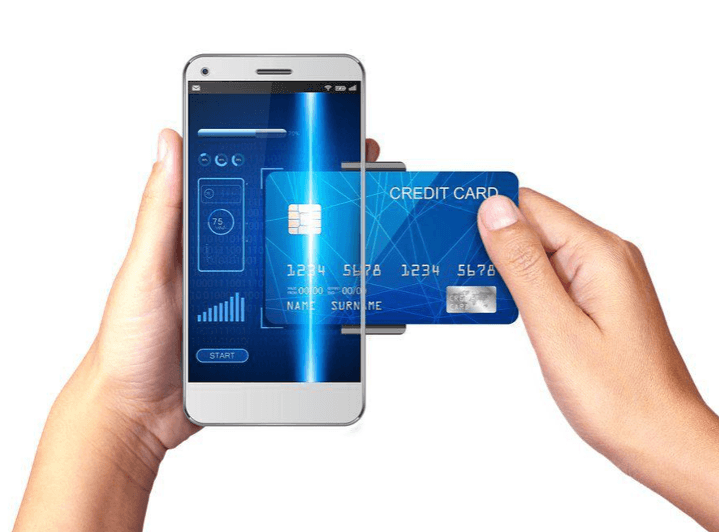
Are POS Terminals Becoming Obsolete?

Today, as credit cards shift from physical to virtual use, a similar move has come from the POS side. We have begun to see mobile phones used as POS devices becoming a serious rival to physical POS terminals.

POS terminal software version update process diagram

Merchant & POS

How is a software version uploaded to a POS terminal?

To upload a version to a POS, the software on the POS and the authorization system on the bank side must support it. Version upload to a POS can be done manually on the device itself, or via a remote upload request.

Illustration representing communication protocols used in POS payment systems

Merchant & POS

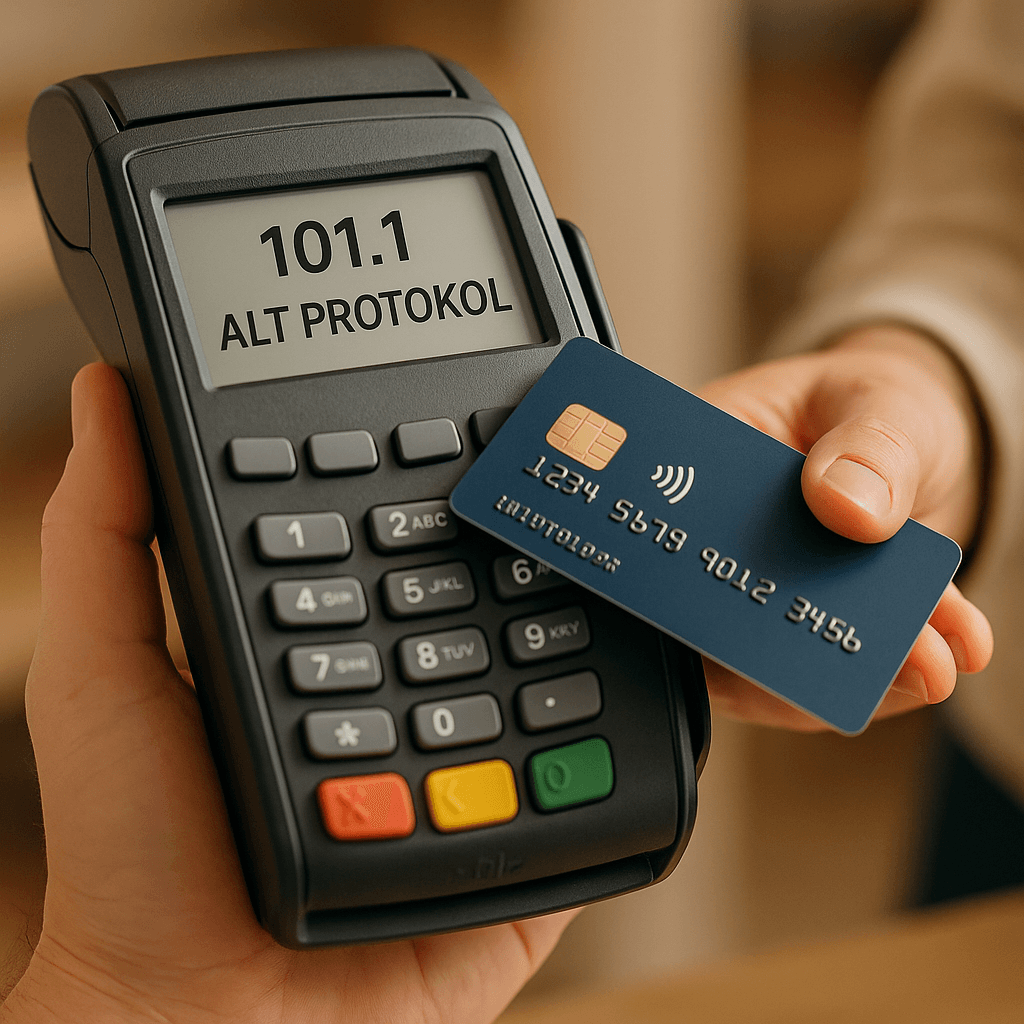
What Are POS Sub-Protocols and Their Use Cases in Turkey?

In payment systems, every exchange between POS devices and bank or payment institution systems runs on a specific messaging standard, generally based on ISO 8583. However, each country, bank, or switch network defines its own version of this standard.

Illustration depicting digital POS payment terminals

Merchant & POS

What is Digital POS?

The digital form of Point of Sale (POS) systems is called Digital POS. There is also a software-only subtype called Virtual POS. After Mobile POS (mPOS) and Virtual POS usage became widespread, the term digital POS came to refer to these two products.

Screenshot of a POS parameter loading screen

Merchant & POS

How is parameter loading done onto a POS?

Loading parameters onto a POS transfers changes made in the POS Management system (authorization, limits, card BIN list, etc.) onto the POS. There are 3 ways to do it.

Diagram explaining the System Trace Audit Number (STAN) field in a payment transaction

Merchant & POS

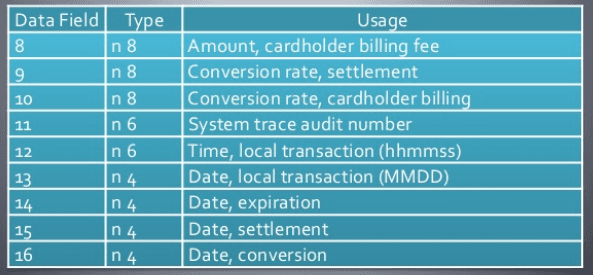
What is a System Trace Audit Number (STAN)?

The System Trace Audit Number (STAN) is a number assigned by the third-party system (ATM or POS) to help uniquely identify a transaction. It is generated in the range 000001 to 999999. Each new authorization message needs a new STAN; retries reuse the original STAN.