Debit Card
What is an embossed debit card?
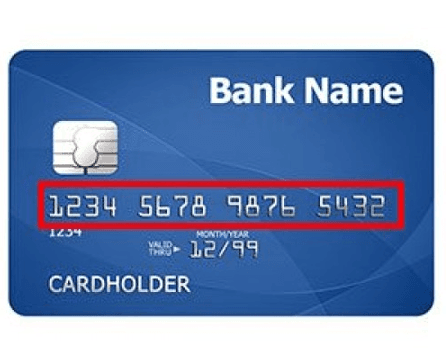
The main difference between embossed debit cards and standard debit cards is that the card number, cardholder name, and expiration date are printed in raised, embossed format rather than flat.
Search
12 articles found
Debit Card
The main difference between embossed debit cards and standard debit cards is that the card number, cardholder name, and expiration date are printed in raised, embossed format rather than flat.
Credit Card
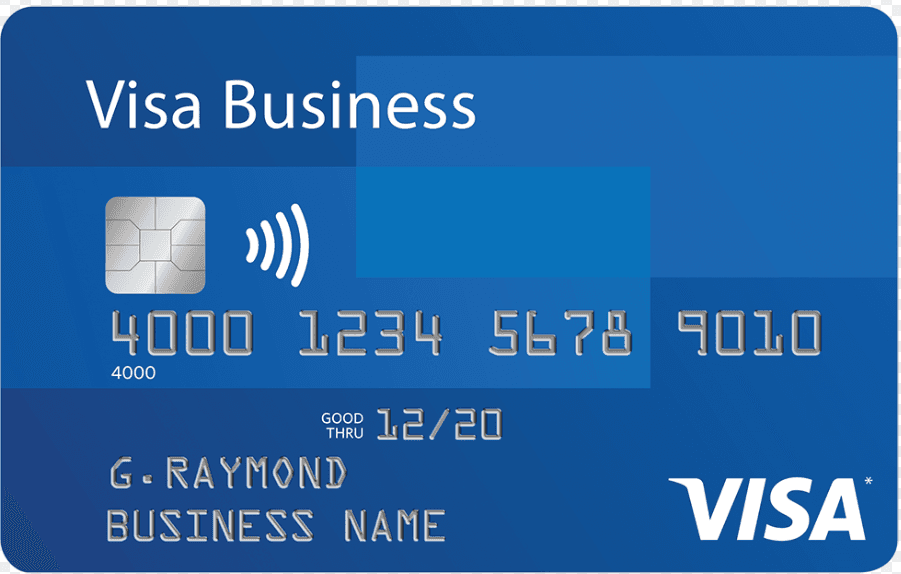
The customer's name printed on credit and debit cards is called the emboss name. But can we print an unlimited amount of name information on the card? There is a specific area reserved on the card for it.
Credit Card
The customer's name and surname printed on credit and debit cards is called the emboss name. But can the name be printed on a card without any limit? There is a defined field for all information printed on a card, and these fields have specific standards.

Credit Card
ISO/IEC 7811 specifies the requirements for embossed characters on identification cards and is a set of nine standards describing recording techniques on identification cards.
Laws & Regulations
The articles of the Regulation on the Accessibility of Banking Services are listed below. Published in the Official Gazette on 18 June 2016 (issue 29746), banks must strictly comply with them. PART ONE Purpose...
Credit Card
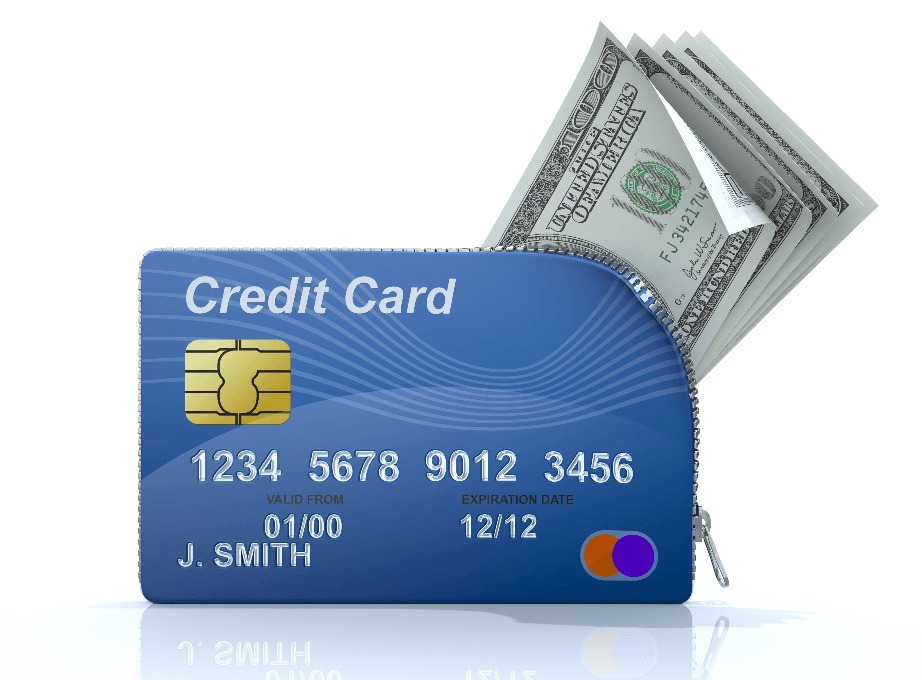
A credit card is a printed card, or a card number with no physical form, that allows the purchase of goods and services or cash withdrawal without using cash. So how are credit card limits set and managed? Setting a limit involves checking many parameters about the customer.

Credit Card
When payment systems come to mind, credit cards are usually the first thing people think of. Credit cards are produced according to specific standards, both in visual design and during printing. These standards belong to the ISO/IEC 781X family.
ATM
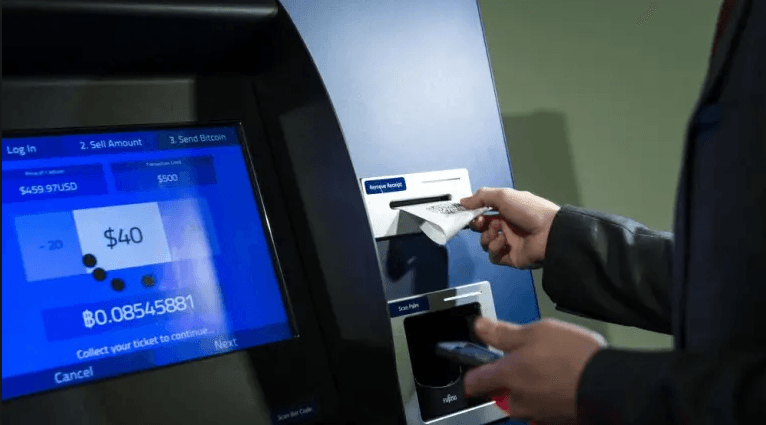
Banks must provide the infrastructure for ATM access by visually impaired customers. Among ATMs side by side or less than 50 meters apart, only one needs to comply; all other ATMs must serve visually impaired customers. Details of Article 7 are below.
Merchant & POS
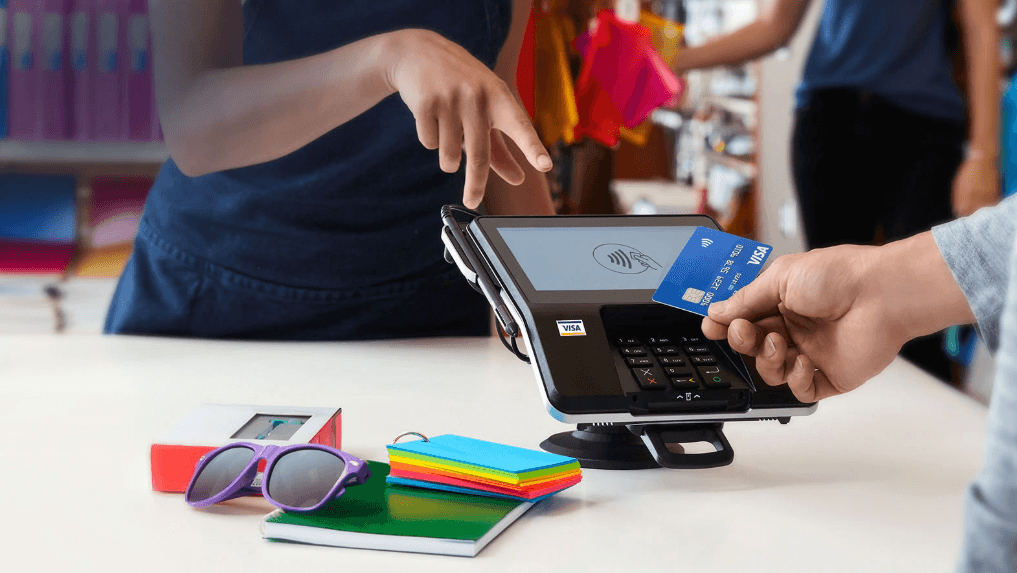
A Card Recovery Bulletin is a list of problem cards (lost, stolen, expired, over-limit, counterfeit or otherwise flagged) published by card schemes such as Visa or MasterCard. It shows whether a card number is listed on the date of purchase.
Merchant & POS
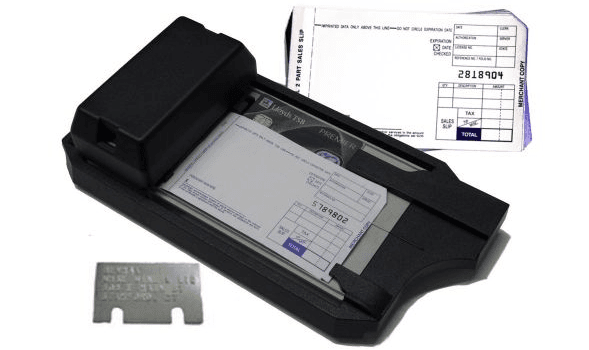
An imprinter is the name given to devices that transfer all the information embossed on a credit card onto a paper sales receipt. Before POS terminals, it was commonly used by merchants for authorization transactions.
Credit Card
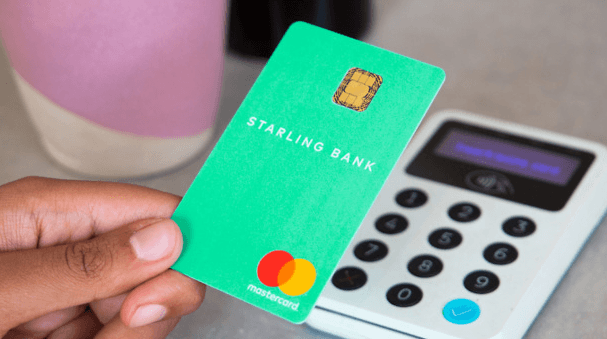
The payment card industry is arguably the sector most affected by technology and the quickest to adapt new developments. With mobile devices, payment systems have changed a lot - we now prefer using our credit cards virtually rather than physically.

Courier & Delivery
Barcode numbers are used in many areas of payment systems, such as credit card statements and courier card distribution. This article focuses on the barcode used for courier delivery of cards.