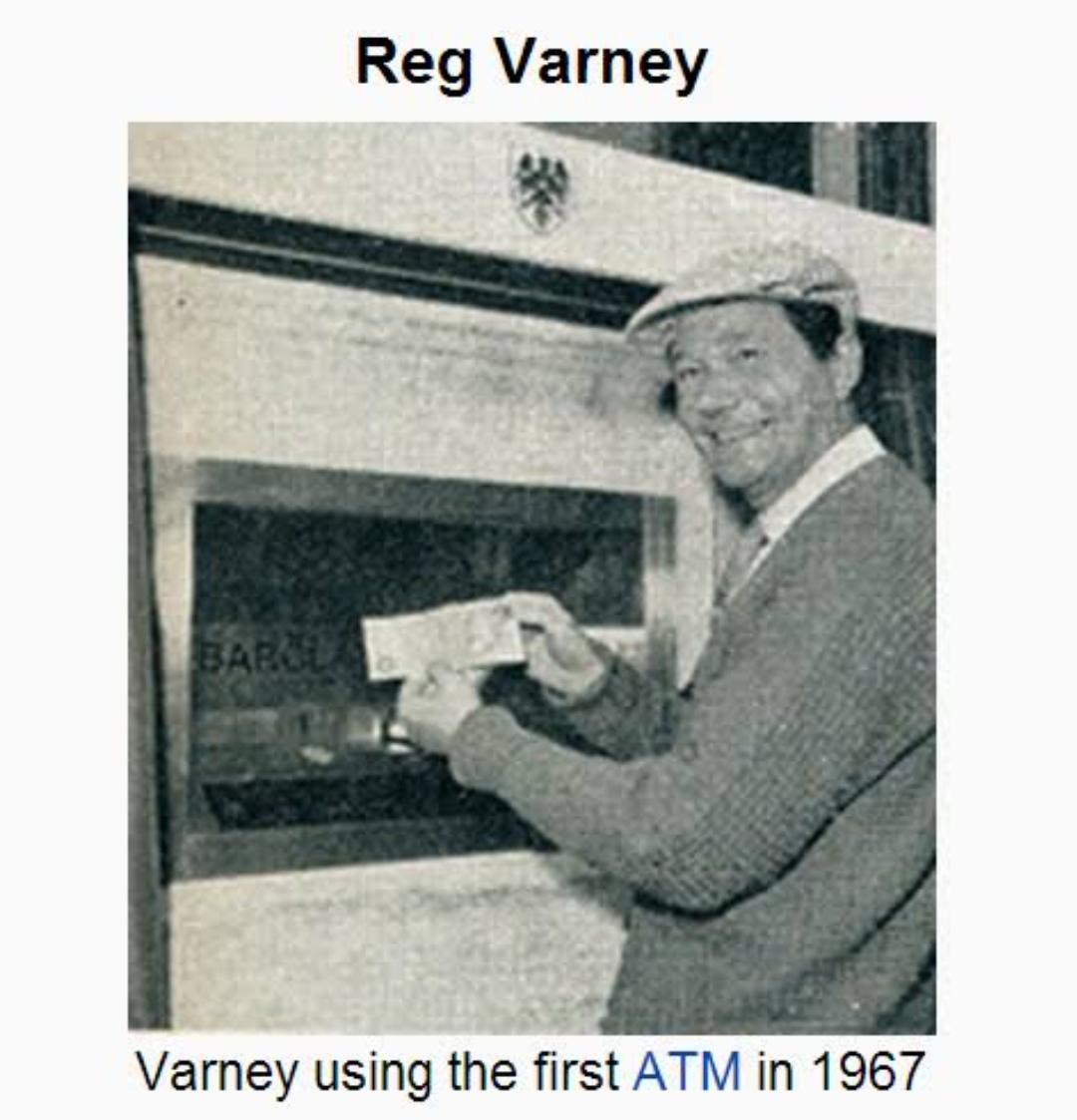
ATM
Today Is the Anniversary of the ATM Entering Our Lives!
The first device that can truly be called an ATM was produced by De La Rue for Barclays Bank and put into service in Enfield, London, on 27 June 1967. The ATM came to Türkiye in 1982.
Search
22 articles found
ATM
The first device that can truly be called an ATM was produced by De La Rue for Barclays Bank and put into service in Enfield, London, on 27 June 1967. The ATM came to Türkiye in 1982.
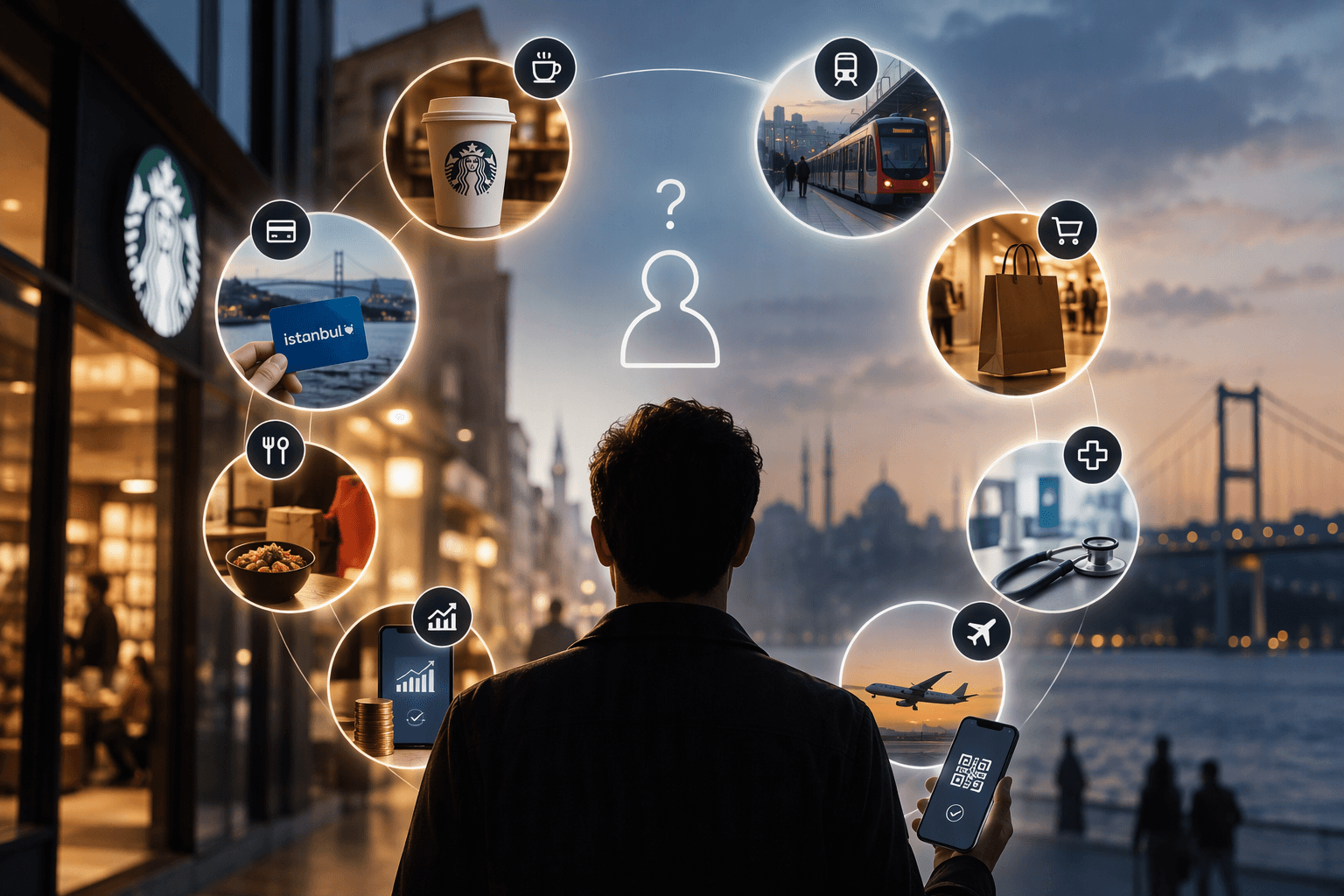
Closed-Loop Payments
In the final post of the closed-loop payments series, the common question behind cards, QR payments, and prepaid balances comes into focus: who manages the customer relationship, and whose ecosystem does the customer stay in?
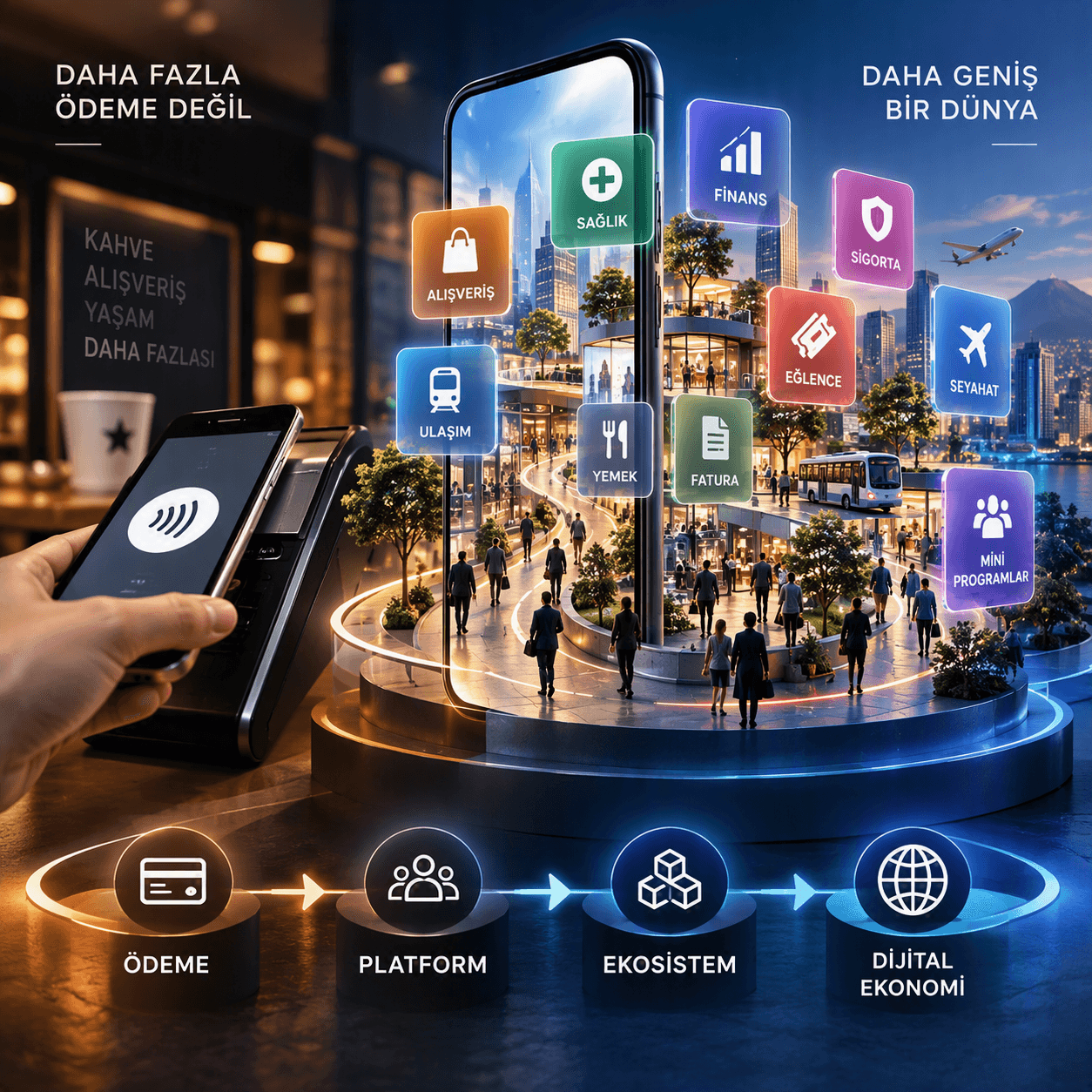
Closed-Loop Payments
Why does a coffee chain build its own loyalty program, and why does a payment app keep adding services? This post looks at how loyalty, data, and new services drive the growth of closed-loop payment systems, and at the financial layers behind that growth.
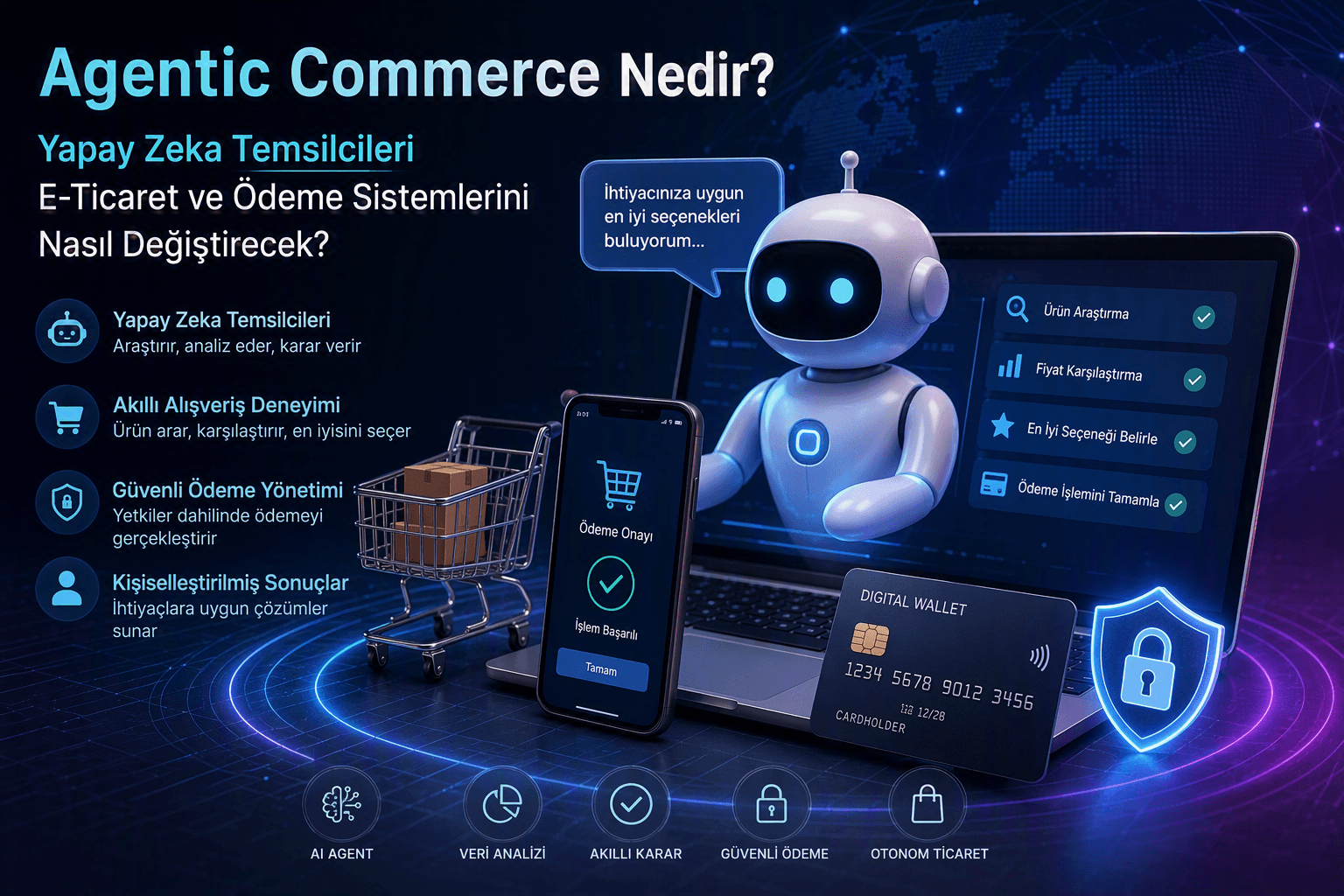
E-commerce
AI agents are moving beyond answering questions to searching, deciding, and paying on behalf of users. This post explains Agentic Commerce and what it means for payment systems, digital wallets, e-money institutions, banks, and fintechs.
Closed-Loop Payments
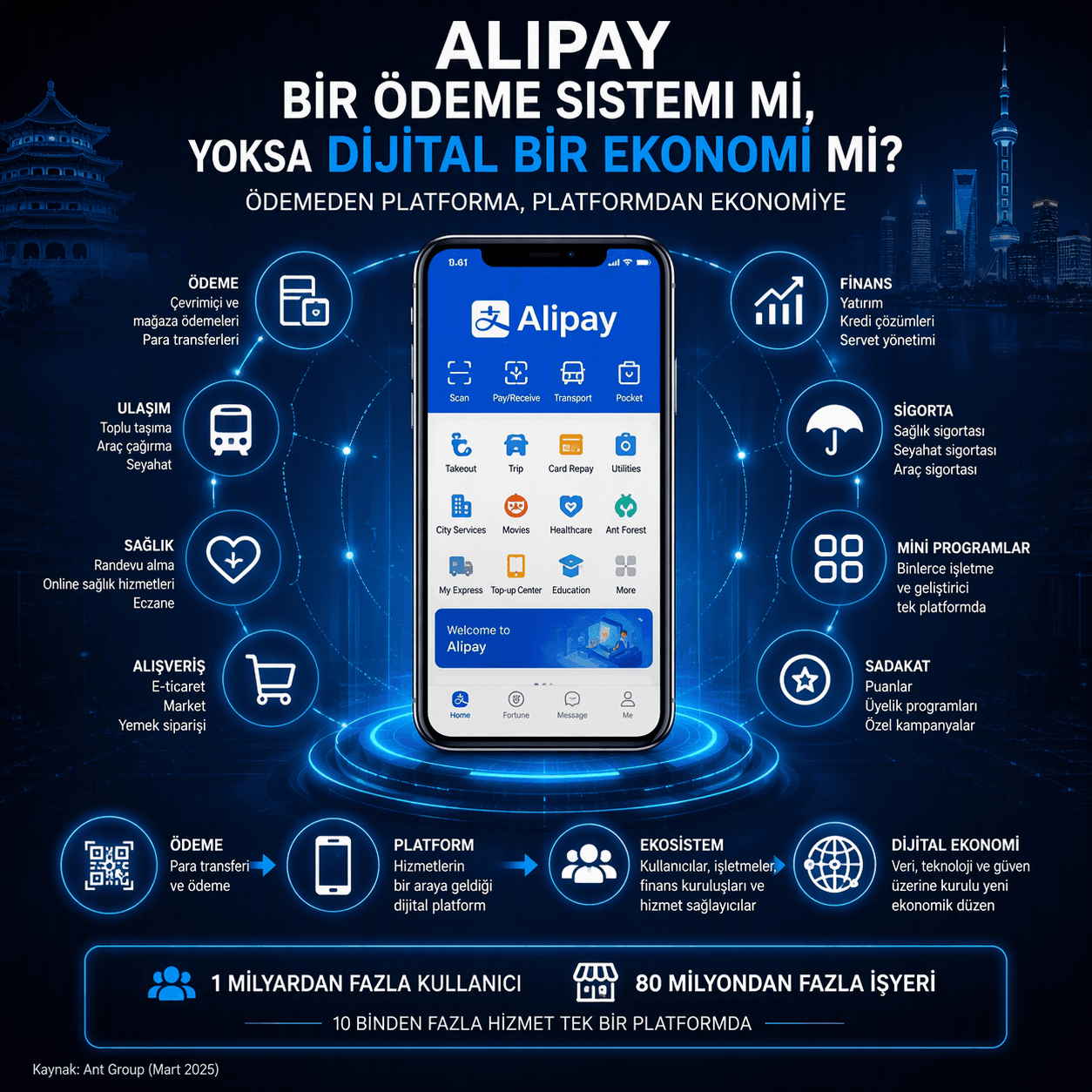
Is Alipay a payment system, or a digital economy? In the previous post we discussed how Starbucks shows that payment systems can evolve into a different structure. At first the goal was to make payment easier for the customer. As the system grew, loyalty programs...
Open Banking
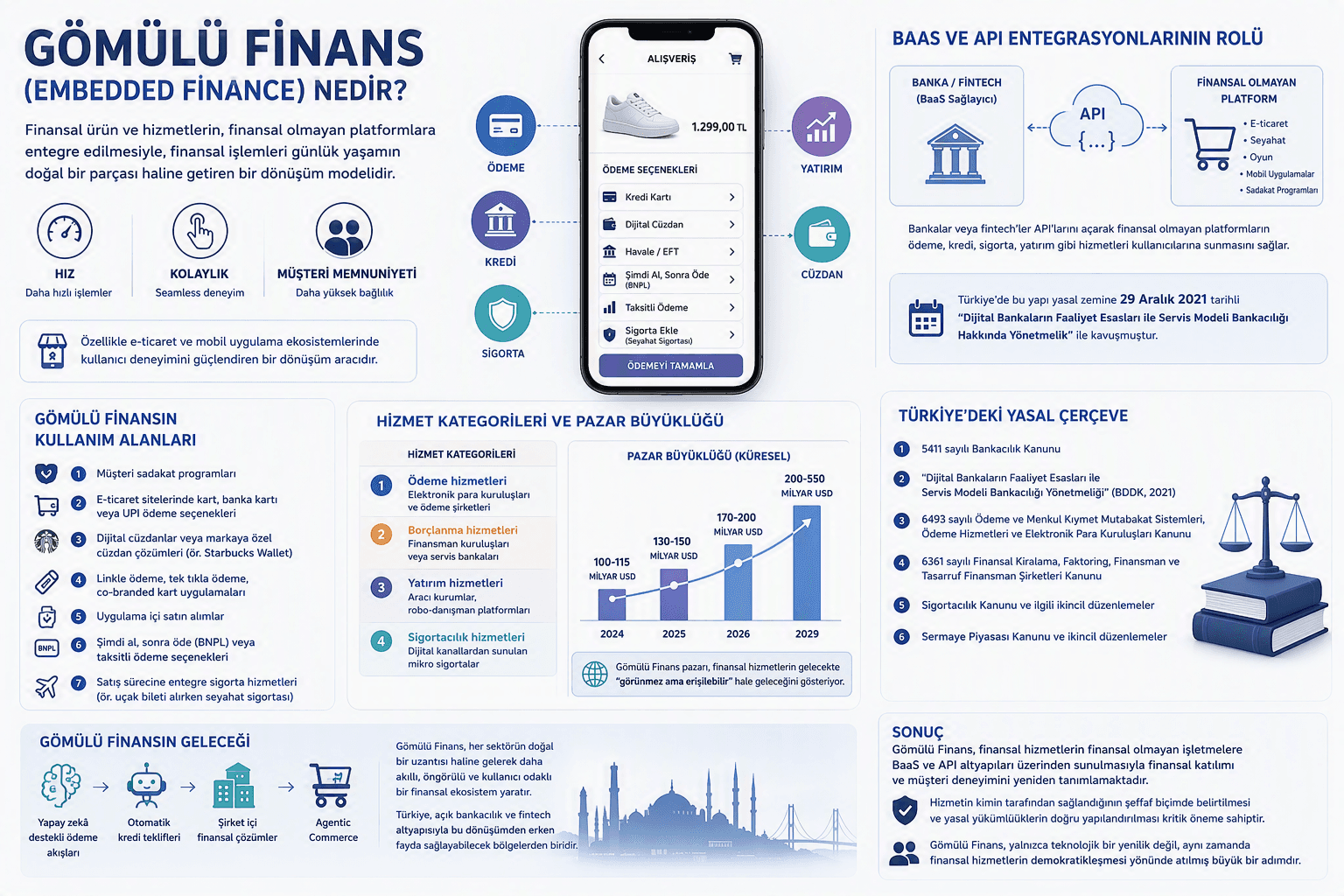
Embedded Finance means integrating financial products and services into non-financial platforms, experiences or business processes. In other words, services offered by financial institutions become part of the product or service flows of non-financial organizations.
Credit Card
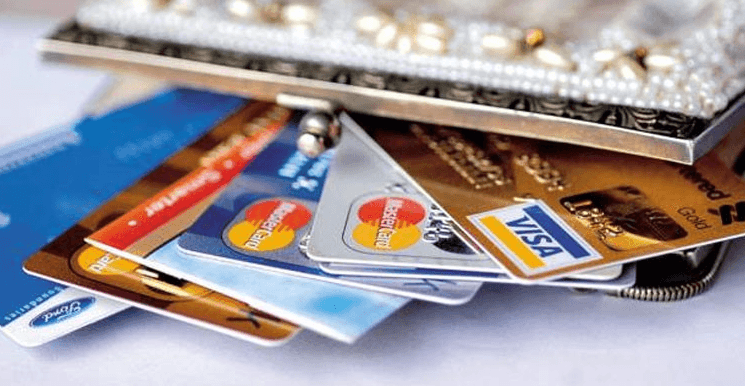
Payment systems are changing fast, and new players are emerging. The Advantage Card, the first installment credit card in Turkey and Europe, did not come from a bank, which holds lessons for today's fintech entrepreneurs.

Payment Systems
If users start describing their needs instead of searching for products, one of the internet economy's most fundamental habits could change.
Payment Systems
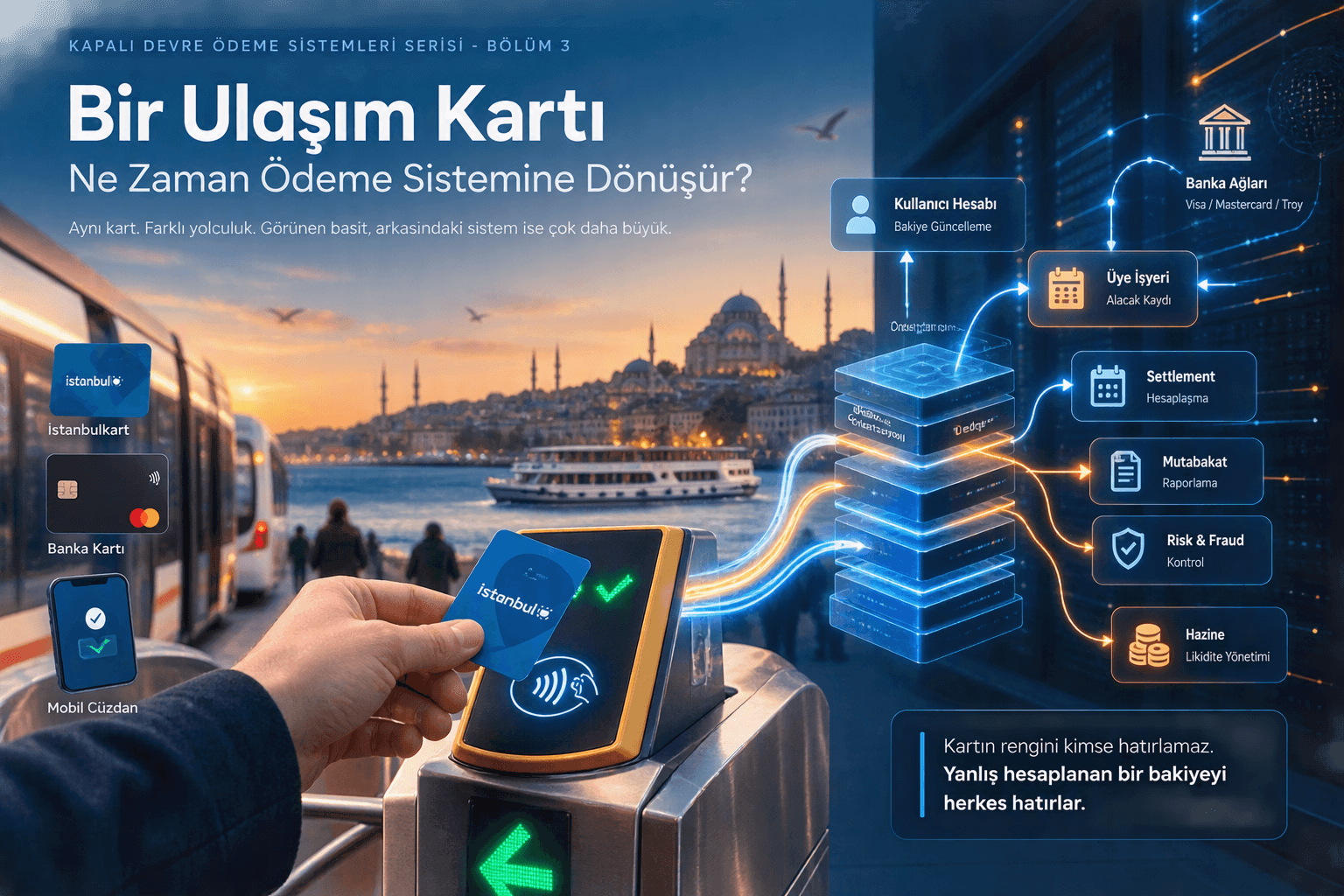
When Does a Transit Card Become a Payment System? Millions of people in Istanbul use Istanbulkart every day. Passing through metro turnstiles, rushing to a bus or boarding a ferry at the last moment, our hand reaches almost by reflex for our card or our phone...
Payment Systems
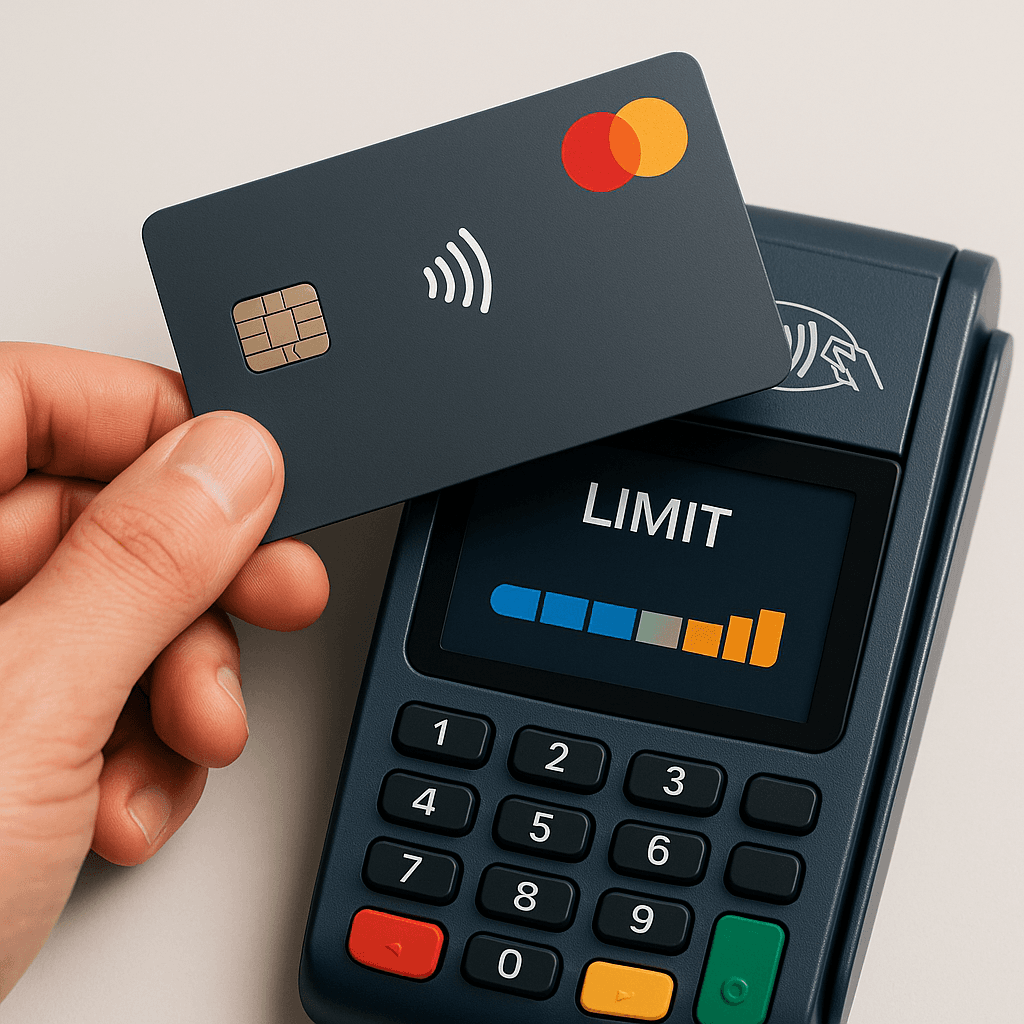
One of the most notable recent developments in card payments is that contactless limits are no longer fixed and can be managed dynamically per customer. Mastercard and Visa are taking different but complementary approaches, and ISO 8583 may need to evolve with them.