Skip to content

Search

"E-Commerce"

106 articles found

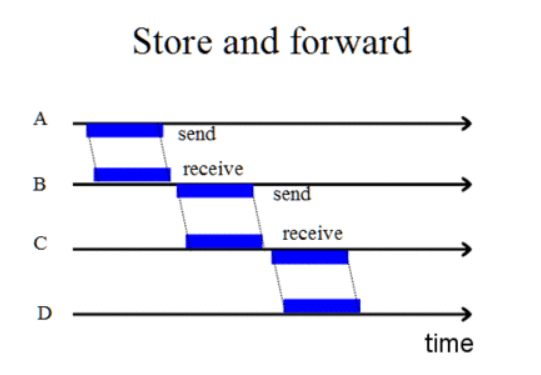
Diagram illustrating the Store and Forward (SAF) offline transaction process

Payment Systems

What is Store and Forward (SAF)?

Store and Forward (SAF) describes offline transaction processing. It was originally developed when modems were introduced and connections were not always stable, letting terminals store transactions and forward them once connectivity is restored.

QR code payment being scanned with a smartphone at a point of sale

Laws & Regulations

The 'TR QR Code' Era in Payment Systems

The Regulation on the Generation and Use of TR QR Code in Payment Systems sets the standards for QR codes in payment services. The Central Bank has taken the first step by drafting rules for a common QR code structure.

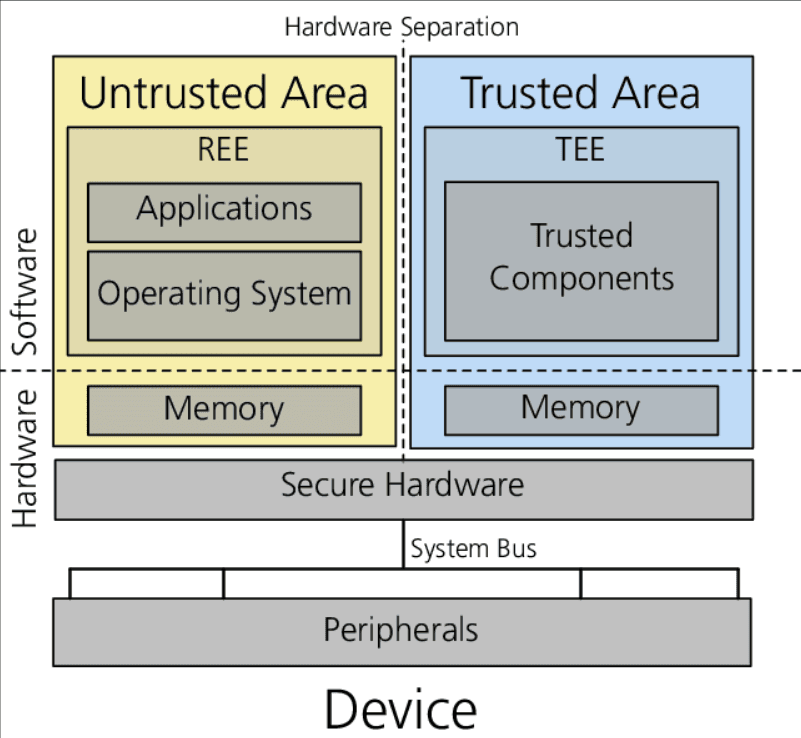
Diagram illustrating a Trusted Execution Environment (TEE) architecture

HSM & Security

What is TEE (Trusted Execution Environment)?

A Trusted Execution Environment (TEE) is an environment where executed code and accessed data are isolated and protected in terms of confidentiality (no one has access to the data) and integrity (no one can alter the code or its behavior). We may not realize it, but many…

No image

E-commerce

What Is B2B (Business to Business)?

B2B (Business to Business) is the name for systems used in the dealer networks of large companies, where dealers run supply, stock, distribution and marketing processes efficiently in a closed network.

Illustration explaining what a non-secure e-commerce card transaction is

Payment Systems

What is a Non-Secure transaction?

A non-secure transaction is an e-commerce transaction approved without any verification before authorization, such as SMS OTP. In short, authorization is obtained by verifying only the card number, expiration date, and CVV2.

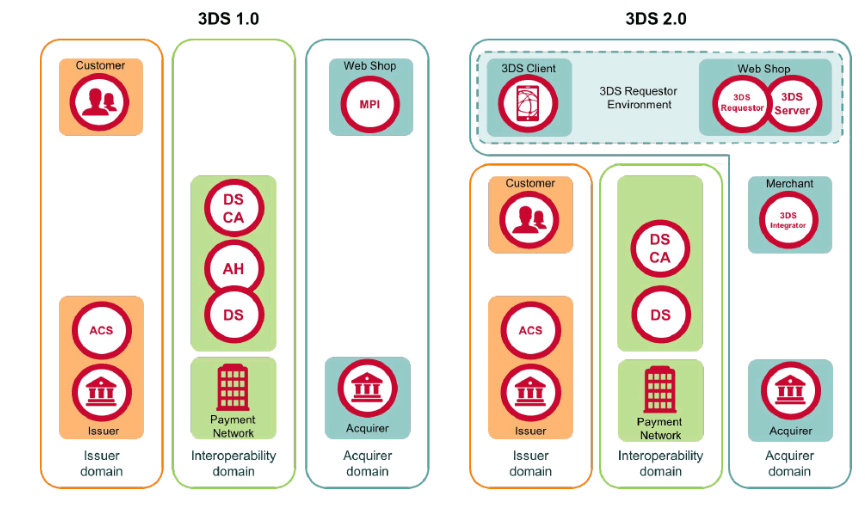
Architecture of 3DS 1.0 compared with 3DS 2.0, showing the issuer, interoperability and acquirer domains

Security

What Is 3D Secure 2.0?

Before 3D Secure 2.0, let's explain what 3D Secure is. 3D Secure is a two-layer payment authentication system that protects both the cardholder and the merchant in online payments. First released by Visa in 1999, it was later adopted by other card schemes…

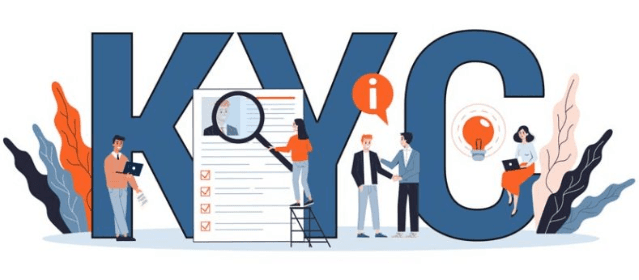
Illustration of a Know Your Customer (KYC) identity verification process

Payment Systems

What is KYC (Know Your Customer)?

Know Your Customer, in short, means identifying your customer. The process by which institutions identify their customers and determine their suitability for a business relationship and the risks they may pose is called KYC.

Illustration of a customer completing a payment through an online payment link

Merchant & POS

What Are the Advantages of Paying with an Online Payment Link?

Advances in payment systems make shopping safer and easier for customers. For e-commerce sites and brands, offering reliable, practical and fast payment options is a serious advantage. An online payment link is one innovative way to accept payments without a POS device.

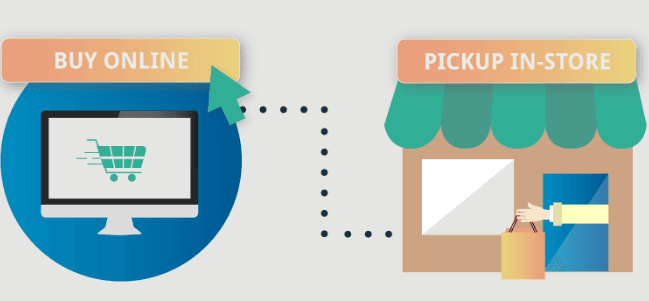
Customer collecting an online order at a store counter, illustrating buy online pickup in-store (BOPIS)

E-commerce

What Is BOPIS?

BOPIS, short for 'Buy online pickup in-store' and also known as click and collect, means buying online and picking up the order at a store. Learn how it works, who can offer it and which companies in Turkey already do.

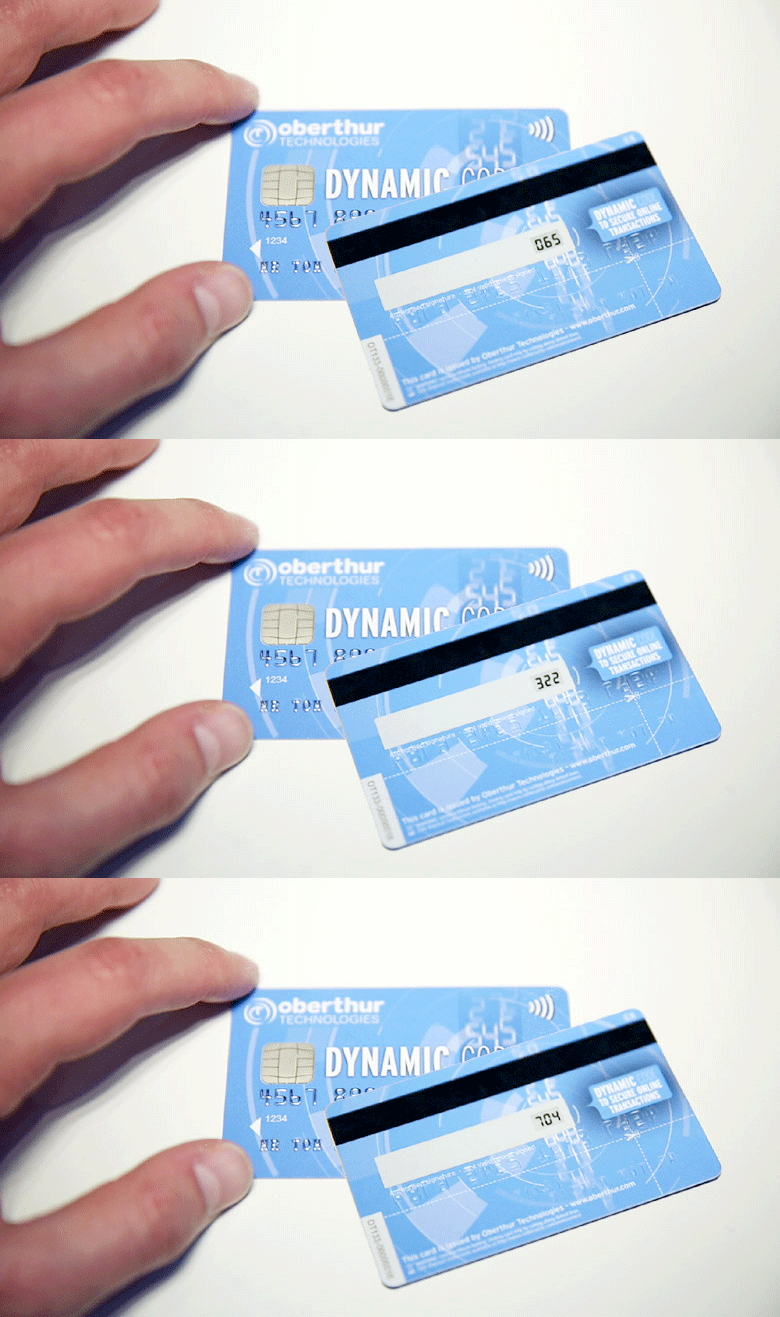
Credit card with digital security code animation

Credit Card

What is dCVV2?

Most of us are familiar with CVV2/CVC2 - the security code on the back of a card, usually three digits. So what is dCVV2? Here's how dynamic CVV technology works and why Visa introduced it for online payments.

Screenshot illustrating how a payment gateway connects an e-commerce site to a bank

Online & Authorization

What is a Payment Gateway?

A payment gateway is the high-security connection banks provide for purchases made with a credit or debit card. Learn how it is set up and why it protects cardholder data.