Skip to content

Search

"GET DATA"

32 articles found

GET DATA command flow in an EMV transaction

EMV

What is the GET DATA command?

The GET DATA command is used to retrieve a primitive data object that is not encapsulated in a record within the current application. It is used to retrieve certain primitive data objects interpreted by the application on the ICC.


Processing Options Data Object List (PDOL) diagram

Merchant & POS

Processing Options Data Object List (PDOL)

Contains the terminal-resident data objects (tags and lengths) that the ICC needs when processing the GET PROCESSING OPTIONS command. In short, it is the list of information the card requests from the terminal before starting the transaction.

Illustration of a closed-loop payment ecosystem growing through loyalty, data, and new services

Closed-Loop Payments

Why Do Closed-Loop Payment Systems Want to Grow? | Series #6

Why does a coffee chain build its own loyalty program, and why does a payment app keep adding services? This post looks at how loyalty, data, and new services drive the growth of closed-loop payment systems, and at the financial layers behind that growth.

Card skimming device attached to an ATM card reader slot

Fraud

What Is Card Skimming?

Card skimming is the theft of card information by copying it with the help of a device. Because data inside the chip is very difficult to steal, chip cards are far more secure than magnetic-stripe cards. Turkey is very advanced in card security technology.

Diagram illustrating the structure of the AFL (Application File Locator) field on an EMV card

Merchant & POS

What is AFL (Application File Locator)?

AFL (Application File Locator) is the field that shows where on the card the data needed for the authorization transaction is located. AFL is a list of the application data records on the card, and the terminal uses it to read the application data.

Conceptual illustration of competing players vying for power in agentic commerce

General

Agentic Commerce Series – Part 6

Who will win in Agentic Commerce? Owning the customer used to be a huge advantage. Once an agent starts deciding on the customer's behalf, where does the real power move to?

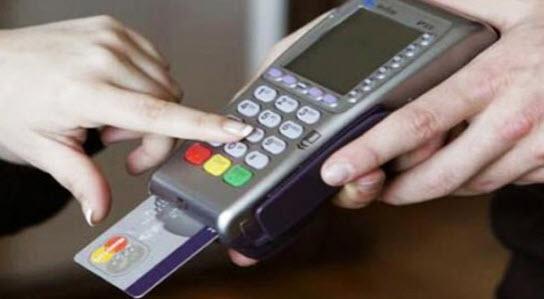
POS terminal processing an EMV chip card transaction

Credit Card

Application Interchange Profile (AIP)

The Application Interchange Profile indicates the application functions supported by the card. The AIP values and their descriptions are given below. Where is the AIP found? The AIP is a 2-byte piece of data stored on the card, carried under EMV tag 82.

Diagram illustrating the Store and Forward (SAF) offline transaction process

Payment Systems

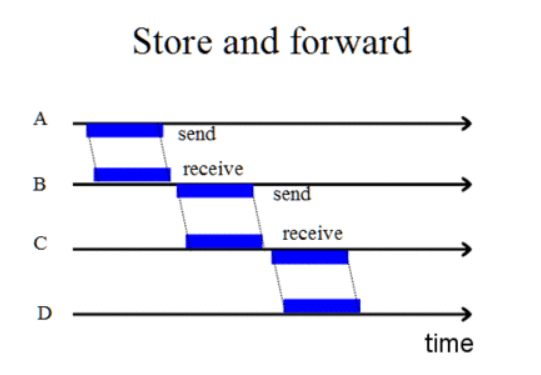
What is Store and Forward (SAF)?

Store and Forward (SAF) describes offline transaction processing. It was originally developed when modems were introduced and connections were not always stable, letting terminals store transactions and forward them once connectivity is restored.

Illustration of a new-generation smart cash register combining a fiscal device and a POS terminal

Merchant & POS

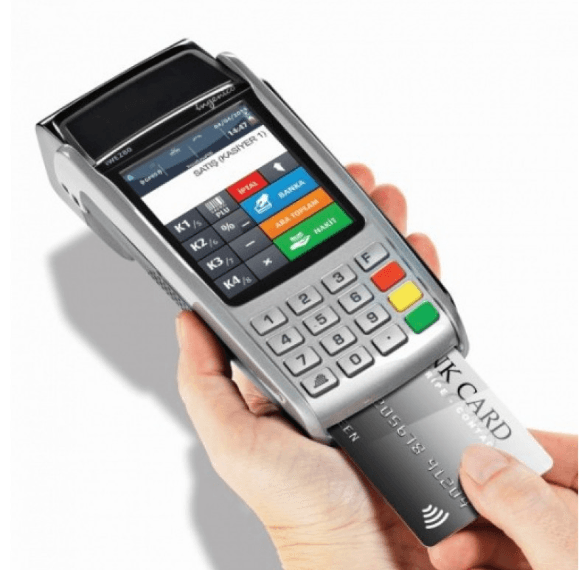
What You Need to Know About Smart Cash Registers (OKC)

A smart cash register is a new-generation, IP-based payment recording device that integrates a cash register with a POS terminal. It combines fiscal devices and POS devices in a single unit and transmits data to the Ministry of Finance in real time.

Screenshot of an Address Verification Service (AVS) response code table

Merchant & POS

What is Address Verification Service (AVS)?

Address Verification Service (AVS) is a fraud prevention system that helps limit fraud and chargebacks when used effectively. It verifies that the address a customer enters matches the cardholder's address on file with the issuer.

Illustration representing credit and debit card fraud

Credit Card

Credit Card/Debit Card Fraud

Credit card fraud is generally committed using the card itself, using card details without the card, via excess or duplicate withdrawals, or by seizing identity information. ATM card trapping is common, since ATMs hold the card during the transaction.

EMV upper consecutive offline limit

Merchant & POS

What Is the Upper Consecutive Offline Limit?

The Upper Consecutive Offline Limit is the maximum number of consecutive offline transactions allowed by the issuer's chip card application on a terminal that cannot go online. It is held in tag 9F23.